
Best Wellness Destinations for Holistic Retreats
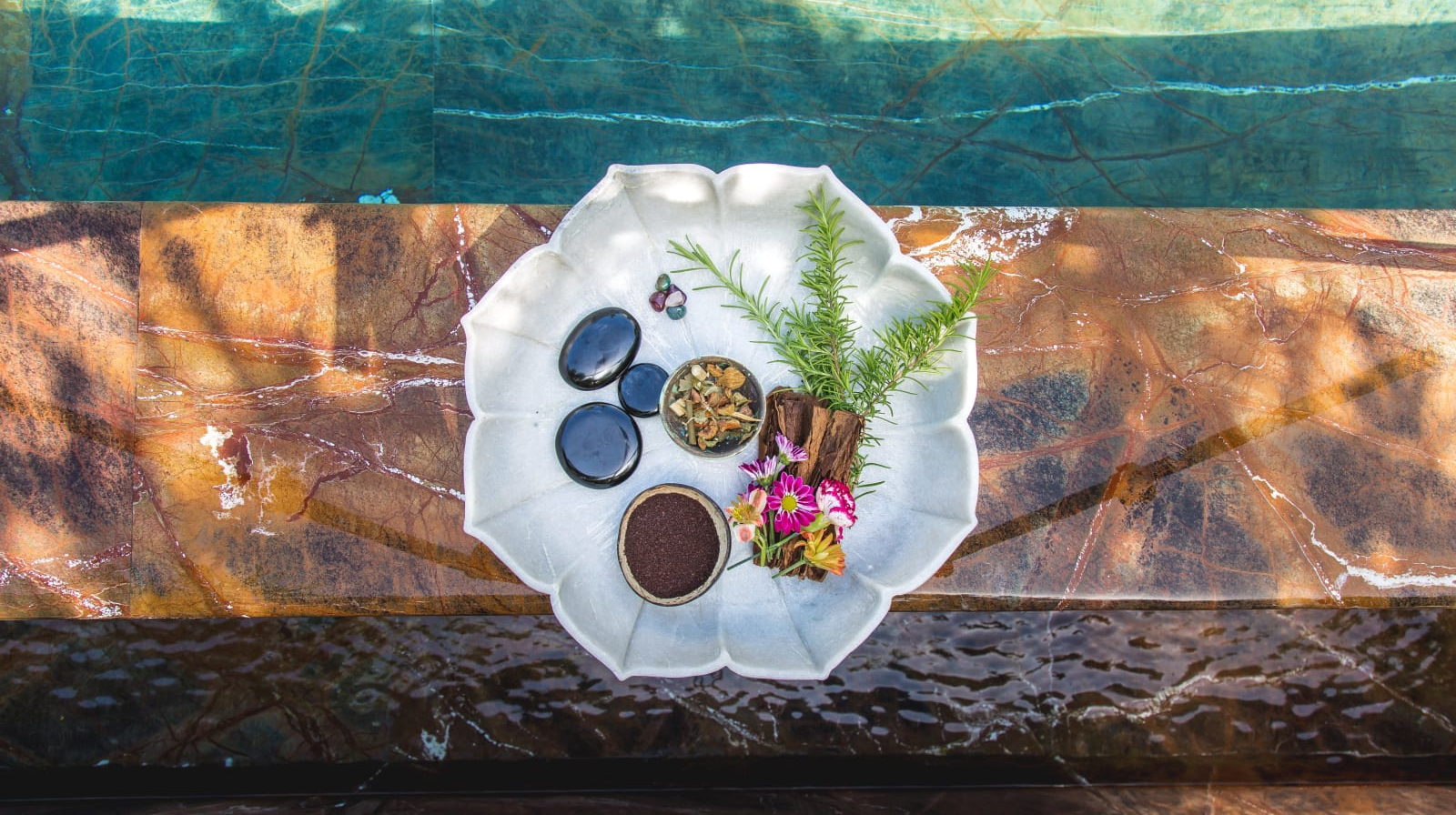
Photo courtesy of Chable Maroma
Wellness retreats promise transformation—but most deliver expensive placebo effects wrapped in Instagram aesthetics. You don't need another listicle pushing properties that paid for placement. You need honest intel about destinations where the healing actually works.
These ten destinations offer legitimate wellness rooted in geography, tradition, and environments that shift how your body functions—thin mountain air that changes your breathing, mineral springs that actually affect your skin, isolation that forces a real digital detox, and healing practices developed over millennia, not marketing cycles. From Himalayan valleys where happiness is national policy to private islands where silence isn't optional, these properties deliver wellness you can feel—not just photograph.
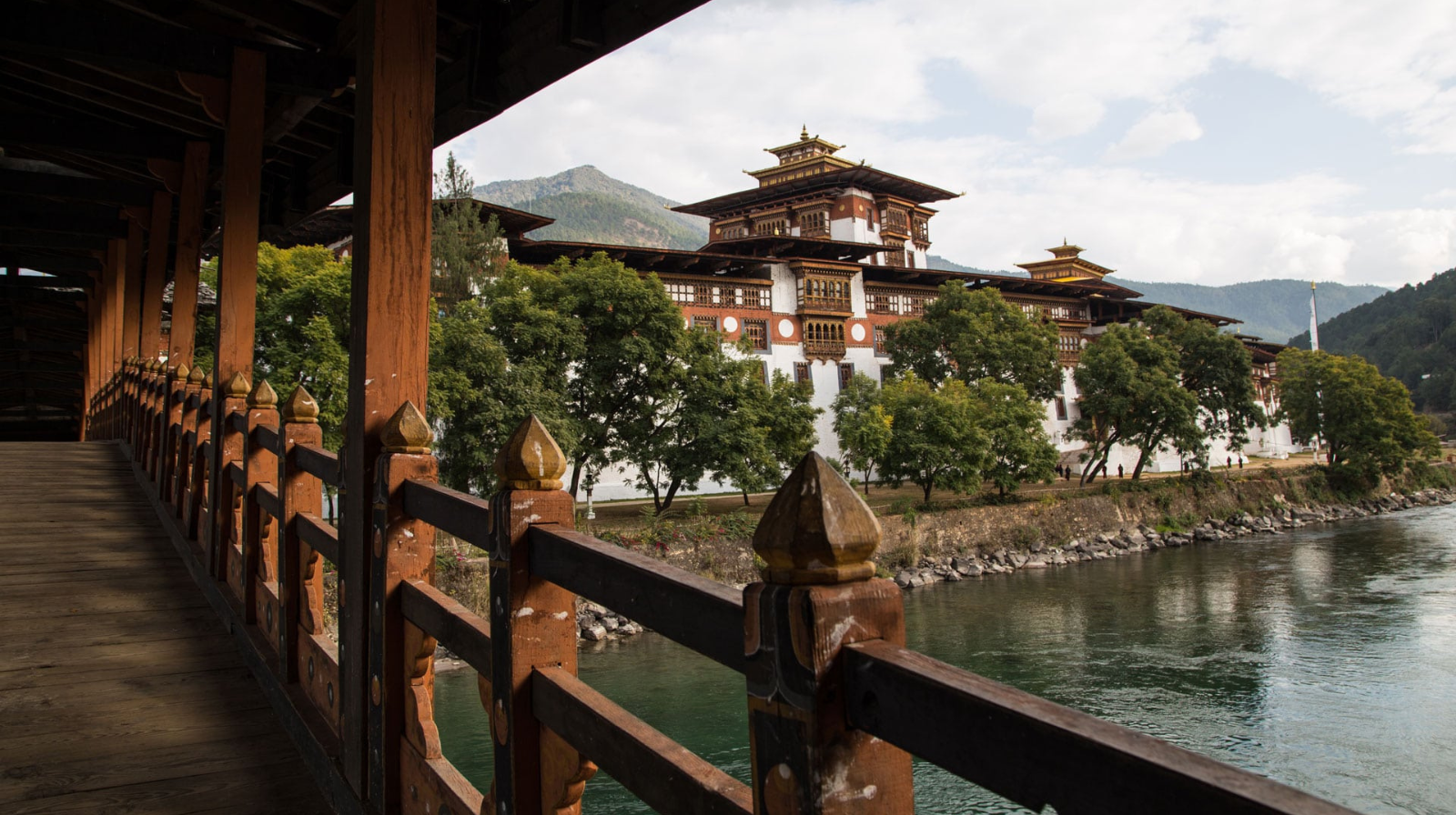
Photo courtesy of Bhutan Spirit Sanctuary
Shaba, Bhutan - Bhutan Spirit Sanctuary
Bhutan measures success by Gross National Happiness instead of GDP—which sounds like marketing until you spend time in a country that actually limits tourism, bans billboards, keeps 60% of land forested by law, and requires visitors to pay a daily fee that funds free healthcare and education. The Himalayas tower over valleys where prayer flags snap in mountain wind. Monasteries cling to cliff faces. Locals wear traditional dress not for tourists but because that's what they wear. Buddhism isn't a wellness trend here—it's woven into governance, architecture, daily routines, and a worldview that prioritizes collective wellbeing over individual accumulation. The air is thin and clean. Development happens slowly, intentionally. This is what a country looks like when it decides happiness matters more than growth.
When to visit: March through May or September through November deliver clear skies for mountain views and comfortable temperatures—spring brings rhododendron blooms while fall offers post-monsoon clarity and festival season.
Where to stay: Bhutan Spirit Sanctuary sits at 7,200 feet in the Shaba Valley—stone and timber villas with heated floors and valley views, traditional hot stone baths, meditation sessions led by Buddhist practitioners, treatments blending Bhutanese healing traditions with Ayurveda and TCM, organic cuisine from the on-site garden, and programs designed around actual transformation rather than Instagram-worthy detox theater in a setting where silence and space aren't luxuries—they're standard.
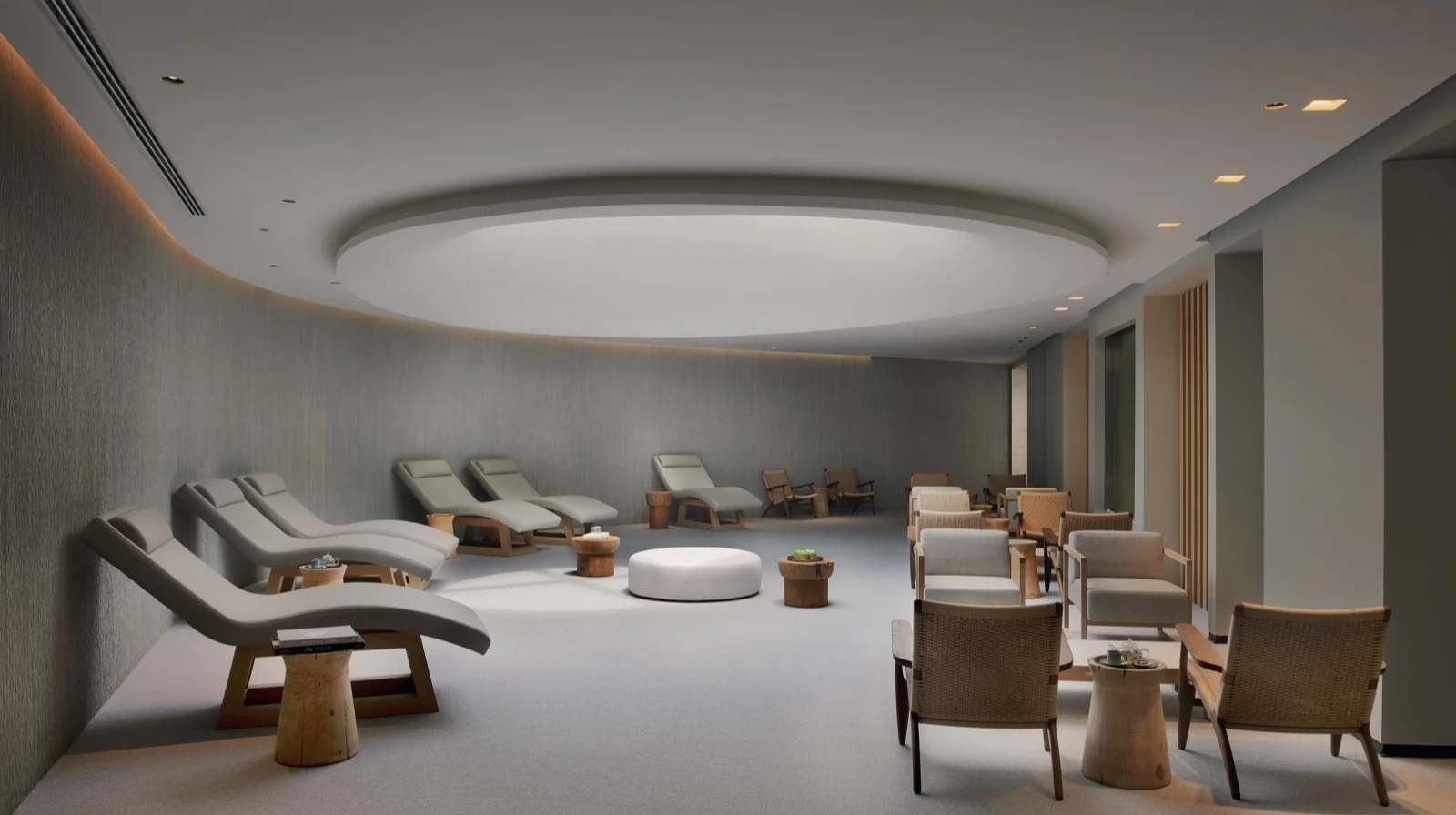
Photo courtesy of Six Senses Kaplankaya
Mugla, Turkey - Six Senses Kaplankaya
Turkey's Aegean coast has been a healing destination since ancient Greeks built bathhouses here 2,000 years ago—the mineral springs, Mediterranean climate, and coastal geography that made this a wellness center then still work now. Kaplankaya sits where pine forests meet turquoise water, far enough from resort towns to feel private but close enough to Bodrum for day trips. The ruins of civilizations scatter across hillsides. Olive groves produce oil locals have pressed for generations. Turkish hammam traditions didn't come from spas—they came from Ottoman bathing rituals that understood heat, steam, and scrubbing as medicine. The food culture here prizes vegetables, olive oil, yogurt, and herbs that happen to align with every modern nutrition trend while predating them by centuries.
When to visit: May through June or September through October offer perfect swimming weather and manageable temperatures—summer gets hot but sea breezes help, while spring and fall bring fewer crowds and lower rates.
Where to stay: Six Senses Kaplankaya sprawls across 247 acres of private peninsula—stone villas with infinity pools and sea views, extensive spa with traditional hammam and cutting-edge wellness technology, organic farm supplying three restaurants, holistic wellness programs addressing sleep, nutrition, fitness and mental health, and the Six Senses commitment to sustainability that goes beyond greenwashing into actual measurable impact while maintaining the kind of luxury that doesn't require sacrifice.
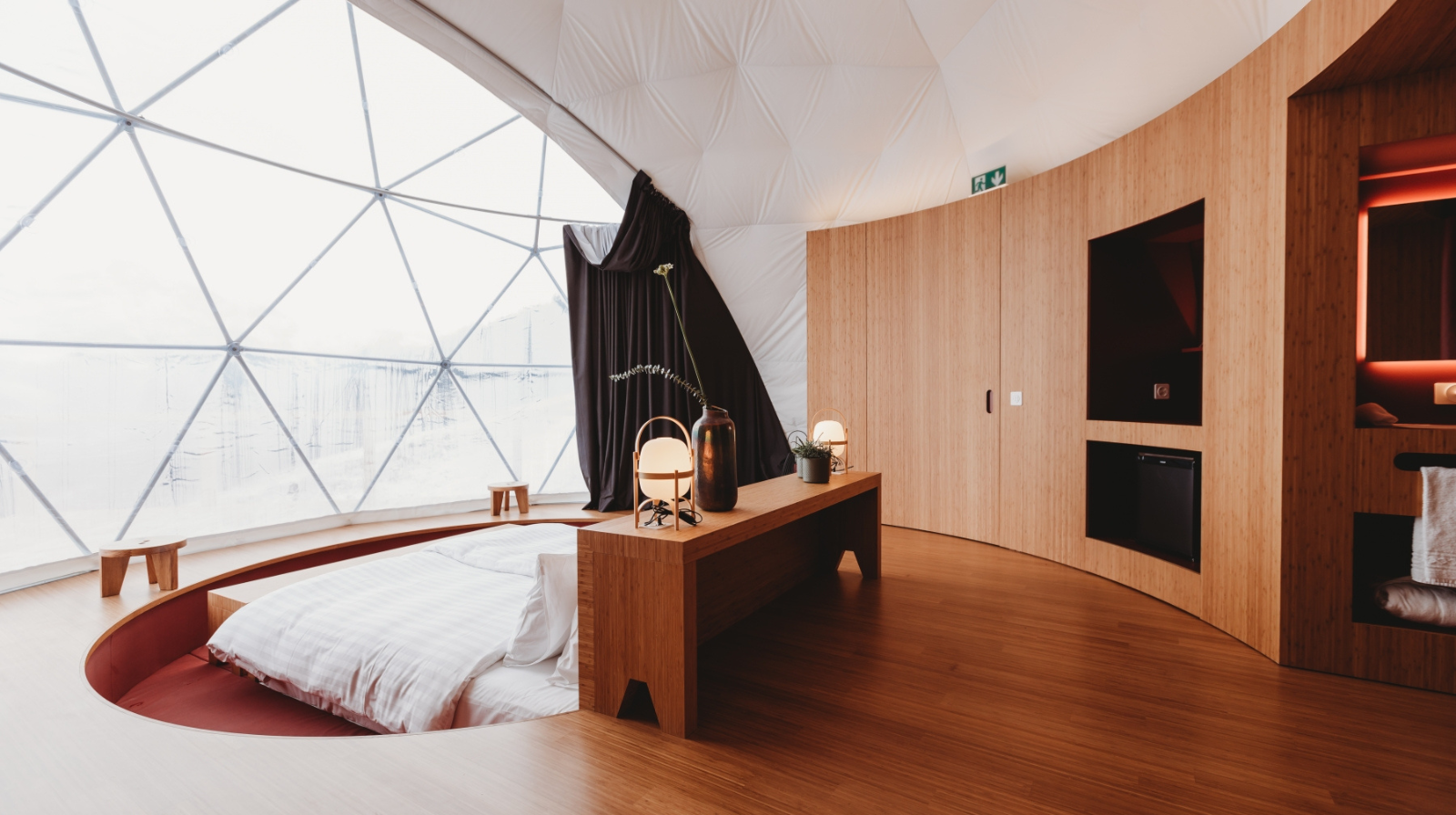
Photo courtesy of Whitepod Eco-Luxury Hotel
Monthey, Switzerland - Whitepod Eco-Luxury Hotel
The Swiss Alps don't need explanation—mountains that make you recalibrate scale, air so clean it tastes different, and a landscape that's been protected rather than developed because Switzerland figured out early that nature is the asset. Whitepod sits at 4,600 feet in the Giettes valley where geodesic pods dot an alpine meadow like something from a design magazine that actually works in practice. This is wellness through simplicity—hiking trails, mountain silence, wood-burning stoves, and the kind of digital detox that happens naturally when your accommodations prioritize views over TVs. The Swiss have always understood that wellness isn't about adding things—it's about removing distractions so you can hear yourself think while surrounded by peaks that put your problems in perspective.
When to visit: December through March for skiing and snow activities, or June through September for hiking and warm weather—spring and fall bring shoulder season prices but unpredictable weather.
Where to stay: Whitepod consists of 18 geodesic pods on wooden platforms—minimalist interiors with pellet stoves, sheepskin rugs, and floor-to-ceiling windows framing mountain views, shared eco-spa with sauna and outdoor hot tub, restaurant focused on local Swiss cuisine, summer hiking and winter skiing from the property, and accommodations designed around low environmental impact that somehow feels more luxurious than standard five-star hotels because it's honest about what matters.
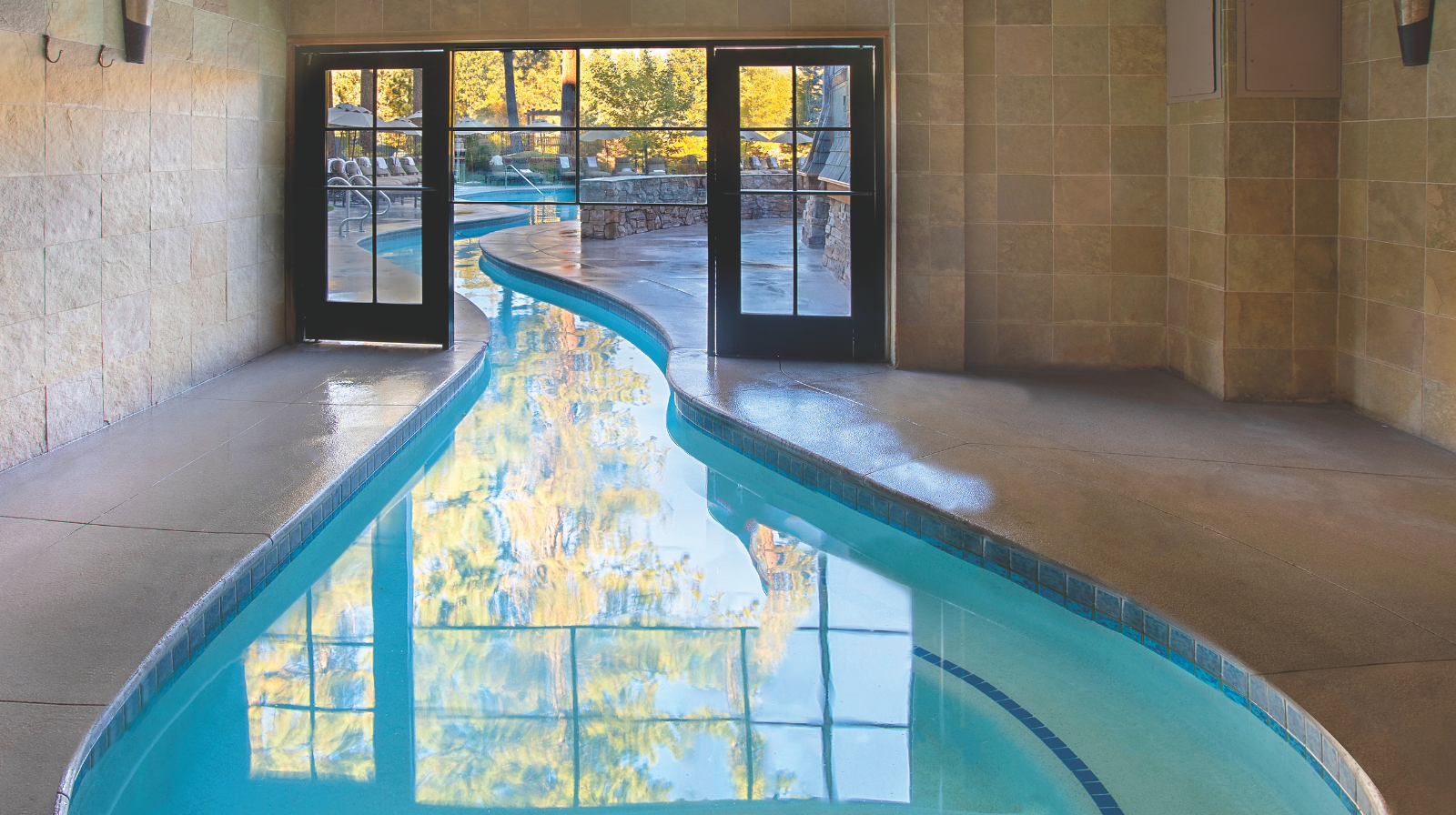
Photo courtesy of Hyatt Regency Lake Tahoe Resort
Incline Village, Nevada - Hyatt Regency Lake Tahoe Resort
Lake Tahoe sits at 6,225 feet where California meets Nevada—alpine water so blue and clear it doesn't look real, surrounded by peaks that offer skiing in winter and hiking in summer. The elevation alone shifts how your body works. The air is thin and dry. The forest smells like Jeffrey pine. Native Washoe people considered this a sacred healing site long before it became a vacation destination, which makes sense once you spend time at a subalpine lake that somehow stays 99.9% pure despite surrounding development. Tahoe balances outdoor recreation with luxury accommodations, casino gambling with wilderness access, and a microclimate that delivers 300 days of sunshine annually. This is wellness through altitude, movement, and water so pristine you can see 70 feet down.
When to visit: December through March for skiing and snow sports, or June through September for hiking, swimming, and water activities—spring and fall offer fewer crowds but cooler temperatures and possible road closures.
Where to stay: Hyatt Regency Lake Tahoe Resort sits lakeside in Incline Village—private beach with mountain and water views, full-service Stillwater Spa, multiple restaurants including the acclaimed Lone Eagle Grille, ski access to Diamond Peak and proximity to Northstar, rooms with fireplaces and lake views, and the rare combination of casino energy and alpine wellness in a setting that works for both active adventure and complete relaxation without requiring you to choose.
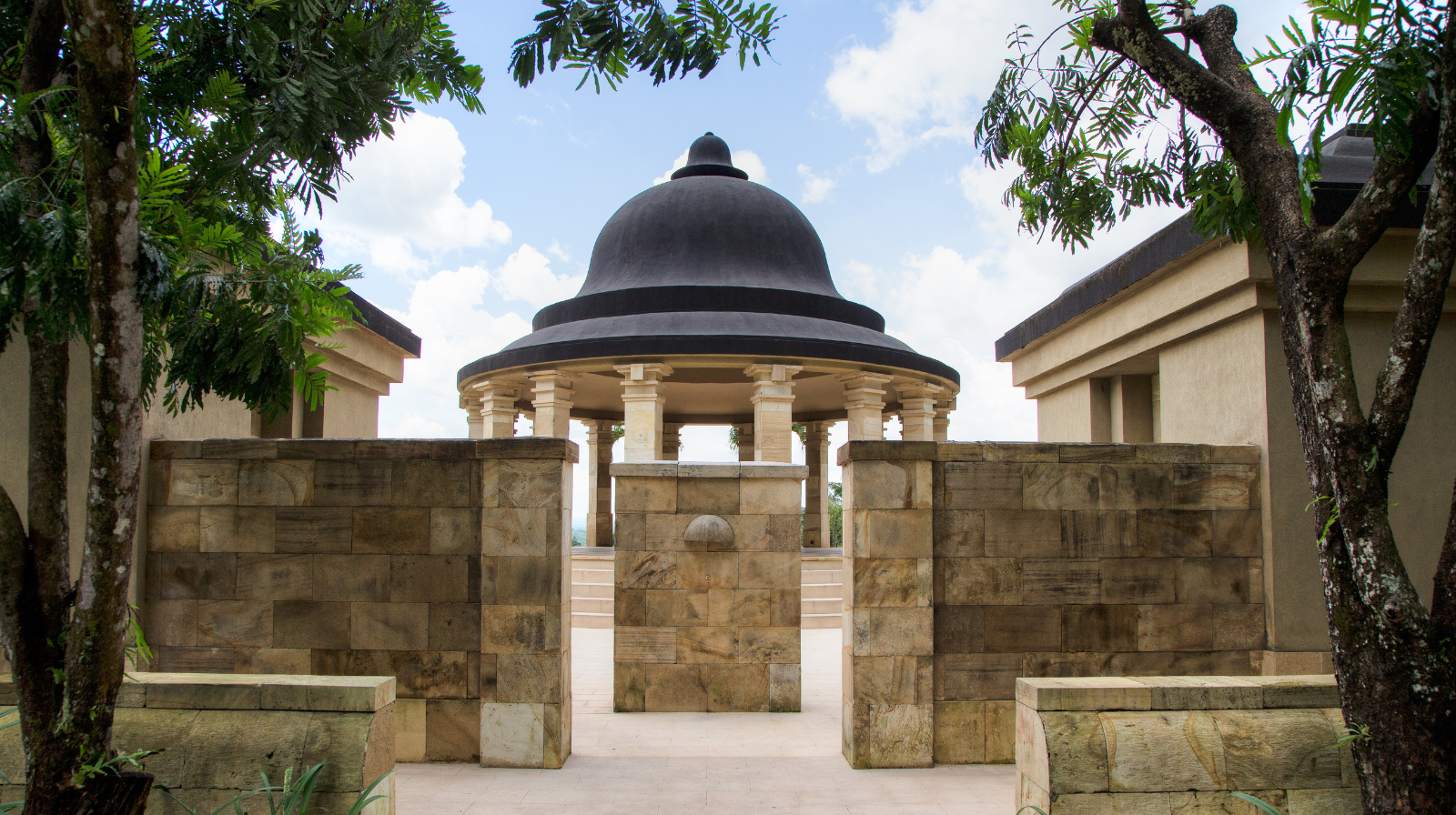
Photo courtesy of Amanjiwo
Magelang, Central Java, Indonesia - Amanjiwo
Central Java preserves Buddhist and Hindu heritage in ways most of Southeast Asia lost to development—Borobudur sits in the landscape like a stone mountain built by humans 1,200 years ago, the world's largest Buddhist temple and a pilgrimage site that still draws monks and practitioners. Rice terraces cascade down volcanic slopes. Villages practice gamelan music and batik textile traditions passed through generations. Mount Merapi smokes in the distance, an active volcano that reminds you nature owns this place. Javanese culture balances ancient spirituality with contemporary life in ways that feel integrated rather than preserved for tourists. The wellness here comes from land that's been considered sacred for over a millennium, where healing practices emerged from necessity and observation rather than wellness industry marketing.
When to visit: April through October brings dry season and manageable humidity—May through September offers the most reliable weather, while March and November can work if you don't mind occasional rain.
Where to stay: Amanjiwo sits on a hill overlooking Borobudur—40 suites in limestone pavilions echoing the temple's structure, infinity pool facing the monument across rice fields, spa drawing on Javanese healing traditions, twice-daily guided meditation and yoga, sunrise walks to Borobudur before crowds arrive, and Aman's signature approach to service that anticipates needs without hovering in a setting where ancient spirituality and contemporary luxury coexist without contradicting each other.
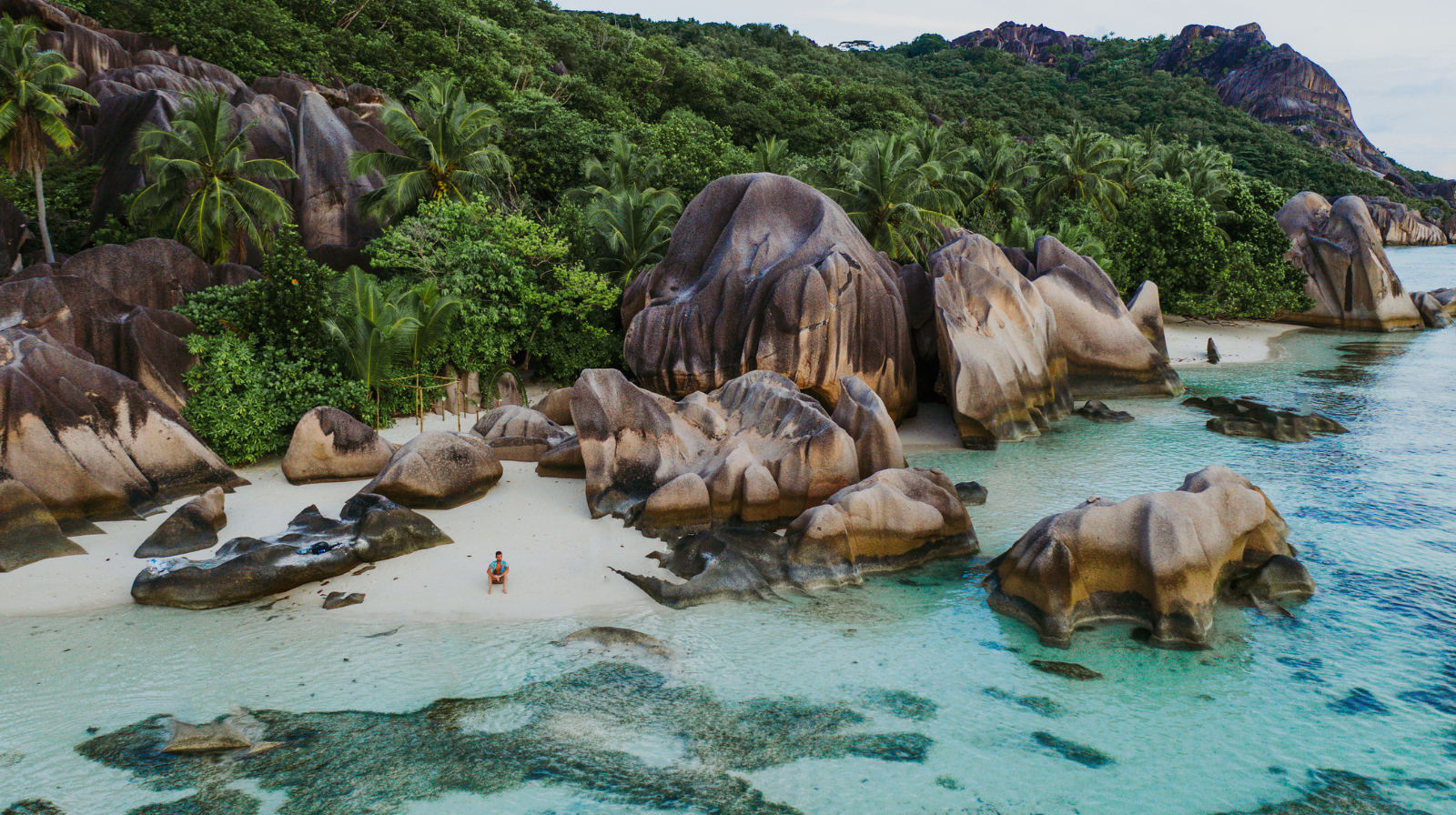
Felicite, Mahé Island, Seychelles - Six Senses Zil Pasyon Seychelles
Seychelles sits in the Indian Ocean as a granite archipelago that predates most landmasses—islands that split from Gondwana 75 million years ago, creating ecosystems found nowhere else. Felicite is a private island where massive boulders meet white sand beaches and turquoise water. The isolation is absolute. The biodiversity is staggering. Giant tortoises outnumber humans. The Creole culture blends African, French, Indian, and Chinese influences into something distinct. This is wellness through radical disconnection—no roads to other places, no crowds, no noise beyond waves and birds. The Seychellois understand island time not as laziness but as recognition that rushing makes no sense when you're surrounded by ocean and have nowhere else you need to be.
When to visit: April through May or October through November offer the best weather between monsoon seasons—December through March brings northwest winds while June through September gets southeast trade winds and occasional rain.
Where to stay: Six Senses Zil Pasyon Seychelles occupies the entire private island of Felicite—30 pool villas scattered across granite hillsides with ocean views, extensive Six Senses Spa built into massive boulders, three restaurants emphasizing Creole cuisine and sustainable seafood, marine conservation programs, and the particular luxury of staying somewhere so remote that your biggest decision is which beach to visit while knowing you won't encounter anyone who isn't staying here.
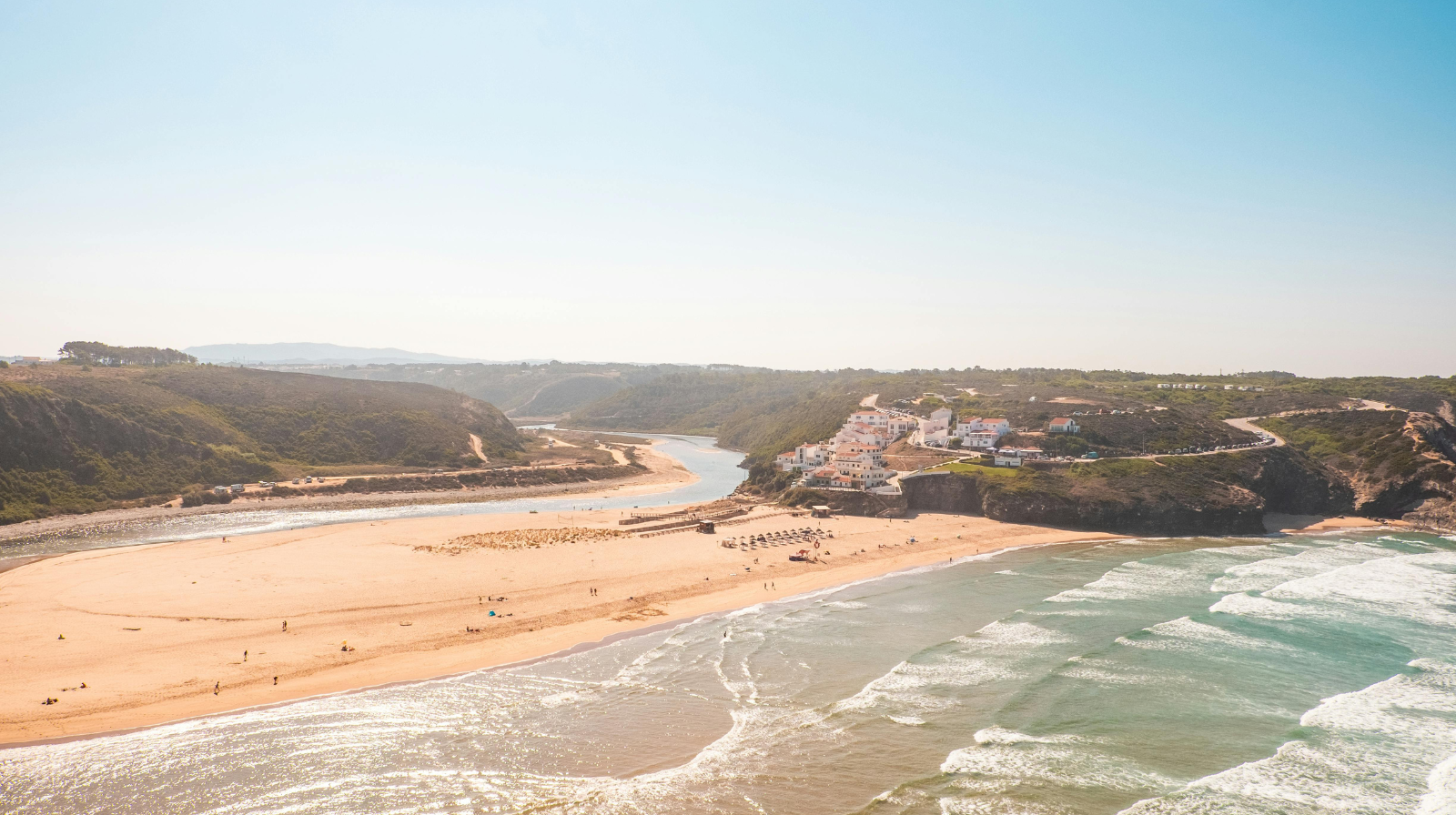
Alentejo, Portugal - São Lourenço do Barrocal
Portugal's Alentejo region moves slower than the rest of Europe—cork oak forests, medieval villages built from white stone, vineyards older than your grandparents, and a landscape that hasn't been paved over for tourists yet. The rolling plains stretch golden under serious sunshine. Locals still produce olive oil, wine, and cheese the way their families did generations back. There's no pretense here—just honest food, affordable luxury, and a quality of light that photographers chase. The Atlantic coast sits close enough for day trips. Hilltop towns like Monsaraz and Évora preserve centuries of history without turning into theme parks. This is where Portuguese people go to decompress, which tells you everything about whether it actually works.
When to visit: April through June or September through October deliver perfect weather for outdoor activities and vineyard visits—summer gets hot (90s+) but manageable if you embrace afternoon siestas and evening dinners.
Where to stay: São Lourenço do Barrocal occupies a 2,000-acre family estate that's been worked since the 1200s—restored farmhouse suites with original architecture, infinity pool overlooking wheat fields and olive groves, farm-to-table restaurant serving estate wine and produce, spa treatments using local botanicals, and activities from horseback riding to archaeological walks that connect you to land that's been healing people through honest work and good food for eight centuries.
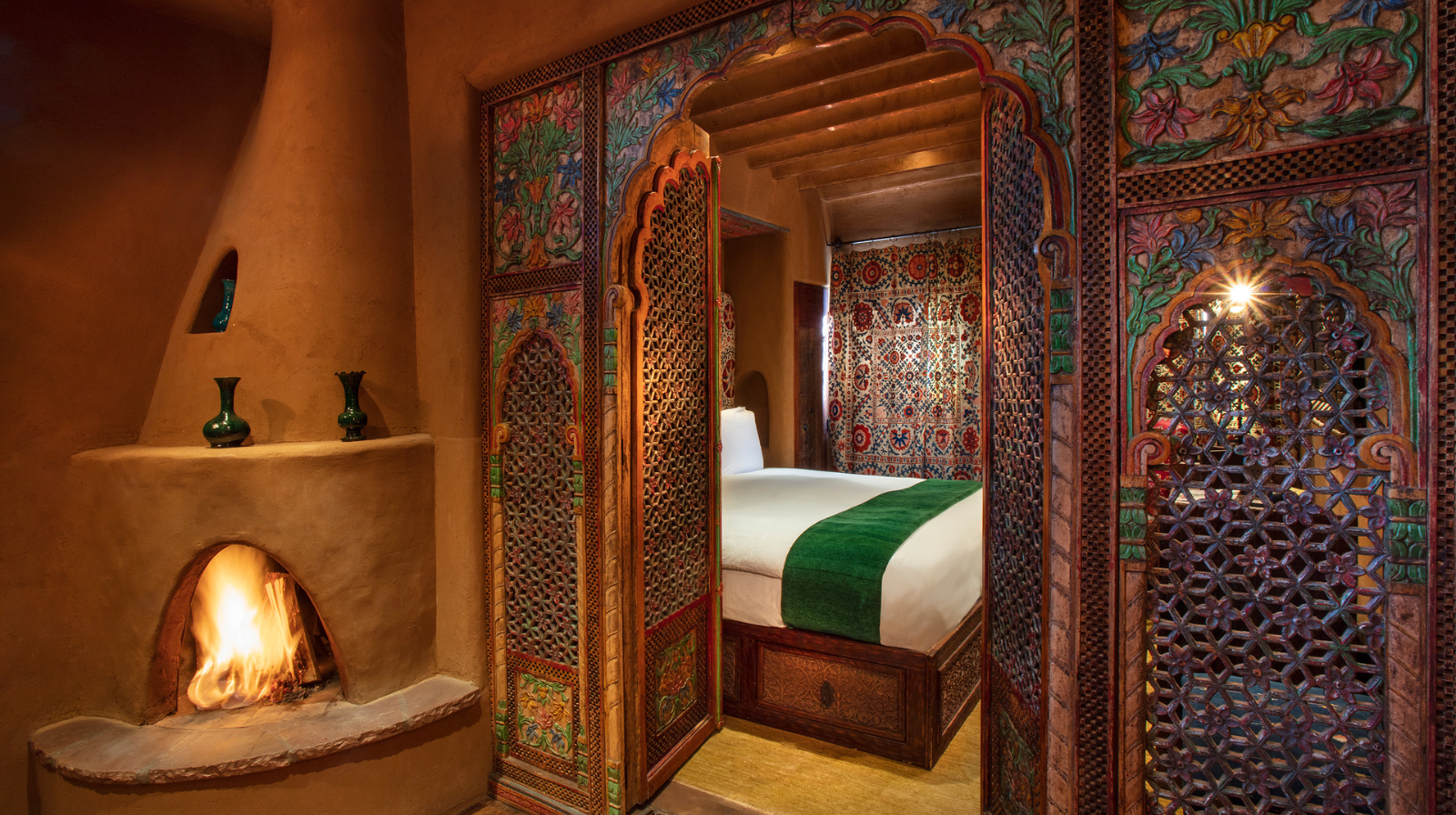
Photo courtesy of The Inn of The Five Graces
Santa Fe, New Mexico - The Inn of The Five Graces
The high desert does something to your nervous system—maybe it's the elevation, the dry air, the way light hits red rock at sunset, or the fact that Indigenous peoples have considered this land sacred for thousands of years. Santa Fe sits at 7,000 feet where the sky stretches forever and silence isn't an amenity, it's just what happens. Artists and healers migrated here for decades chasing that particular quality of light and space. Adobe architecture keeps things cool. Hot springs bubble up from underground. The Georgia O'Keeffe obsession makes sense once you spend a day watching clouds move across mesa country. This isn't spa wellness—it's land-based healing that happens when you slow down enough to notice you've been holding your breath for months.
When to visit: September through November delivers perfect temperatures, fall colors in the aspen groves, and fewer tourists than summer, though spring (April-May) works if you don't mind occasional wind.
Where to stay: The Inn of The Five Graces occupies restored adobe buildings in downtown Santa Fe—24 individually designed suites layered with textiles from Tibet, kilims from Turkey, antique furnishings collected across continents, mosaic-tiled bathrooms with soaking tubs, kiva fireplaces, private courtyards, and a level of craftsmanship and attention to detail that turns a boutique hotel into something closer to staying in a private collection where every surface tells a story about global artisan traditions meeting high desert light.
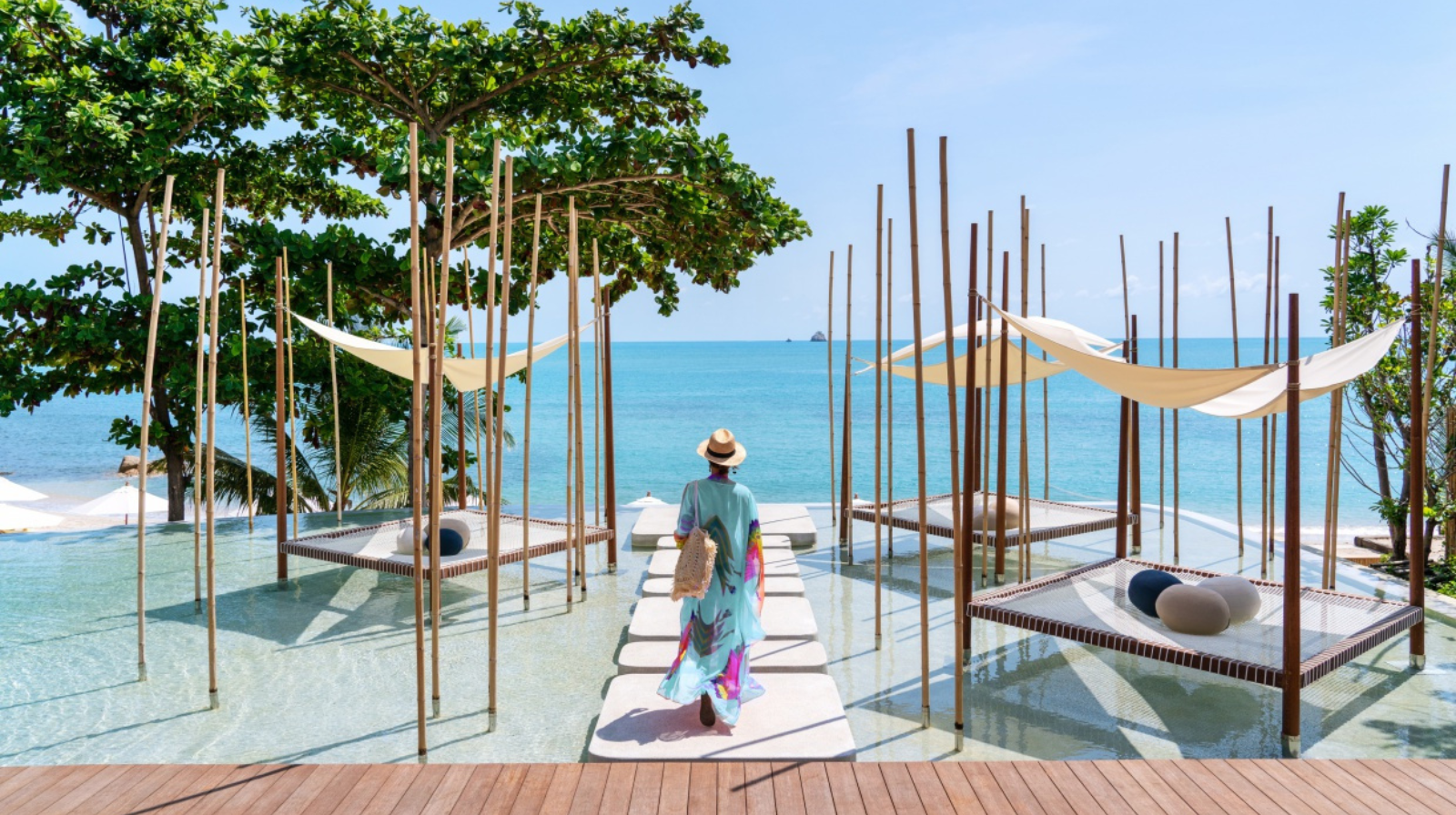
Photo courtesy of Six Senses Samui
Koh Samui, Surat Thani, Thailand - Six Senses Samui
Thailand's wellness traditions didn't start with luxury resorts—they come from Buddhist temples, ancient healing practices, and a culture that's been doing herbal medicine and bodywork for thousands of years. Koh Samui balances development with stretches of jungle coastline where you still find monk caves, waterfalls, and beaches that aren't overrun. Thai massage isn't a spa treatment here—it's medicine. The food emphasizes herbs and spices known for healing properties. Buddhism weaves through daily life in ways that shape how people approach rest, mindfulness, and letting go. Yes, the island has tourists, but it's also home to practitioners who learned traditional healing from family lineages, not weekend certifications.
When to visit: December through August offers the best weather with minimal rain—February through April gets hot but manageable with ocean breezes, while July and August bring occasional showers but fewer crowds and better rates.
Where to stay: Six Senses Samui sits on a private bay along the island's northern coast—clifftop pool villas with ocean views and outdoor rain showers, wellness programs combining traditional Thai healing with integrative medicine, organic garden supplying the restaurants, spa built into granite boulders overlooking the Gulf of Thailand, and the Six Senses approach to sustainability that doesn't sacrifice luxury while actually following through on environmental commitments most resorts just talk about.
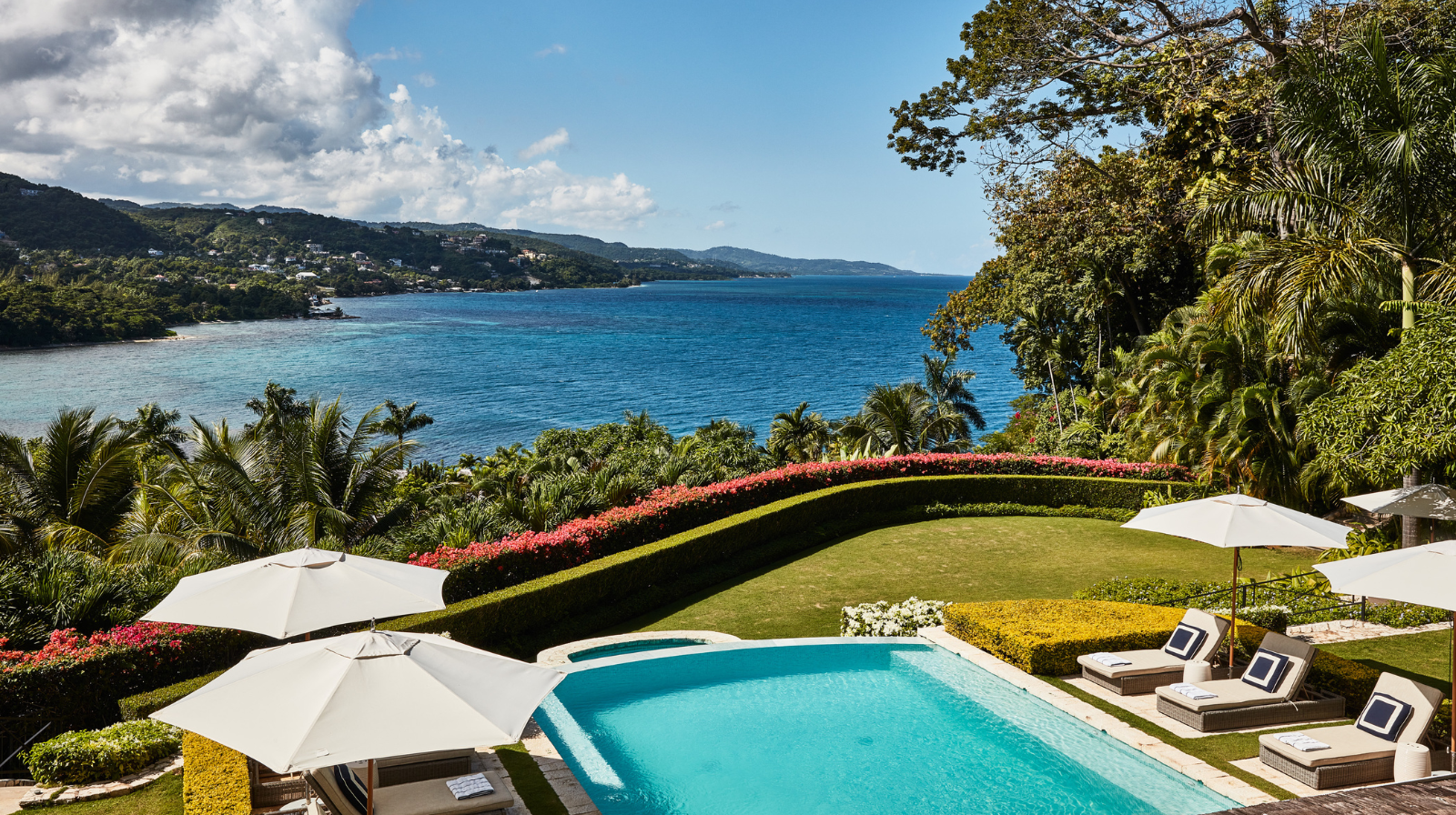
Photo courtesy of Round Hill Hotel and Villas
Montego Bay, Jamaica - Round Hill Hotel and Villas
Jamaica figured out the connection between nature, community, and wellbeing long before wellness became an industry. This isn't about green juice and sound baths—it's beaches that actually calm your nervous system, music that makes you move differently, food that tastes like it grew in soil that matters, and a culture that values "irie" (a state of being good, peaceful, and content) as a way of life. The Blue Mountains rise inland. Waterfalls cut through jungle. Reggae rhythms slow your pulse. Jamaican people laugh easily and prioritize connection over productivity. The island runs on its own clock where rushing feels ridiculous. Healing happens when you stop performing wellness and just exist somewhere beautiful with people who've mastered the art of being present.
When to visit: December through April brings dry season and peak Caribbean weather, though May offers lower prices and fewer crowds before summer heat arrives—just avoid September and October's hurricane season.
Where to stay: Round Hill Hotel and Villas sits on a private peninsula west of Montego Bay—Ralph Lauren-designed interiors, beachfront villas with private pools and staff, spa treatments using Jamaican botanicals, farm-to-table dining with ingredients from the on-site organic garden, and the kind of old-school luxury where service feels personal because they've been doing this since 1953.
Ready to Actually Recharge?
I handle the planning, you get the trip. As an affiliate of Fora Travel, Out There with Jake clients have access to exclusive perks—we're talking room upgrades, hotel credits, complimentary breakfast, spa treatments, and the kind of access that doesn't come with DIY bookings.
Fill out the form below to start planning.