
Where History Meets Luxury: 10 Cultural Destinations That Deliver

Most "historic destinations" lists recycle the same places with the same generic advice—visit the Colosseum, see the temples, book any hotel near the center. That approach wastes your time and money on mediocre experiences. The cities below earned their cultural reputation through centuries of layered history, preserved architecture, and living traditions that didn't get sanitized for tourists. Each combines genuine historical significance with design-forward hotels that understand luxury means more than thread count. No fluff, no "hidden gems" that aren't hidden, just straight truth about where history actually delivers and where to stay when you get there.
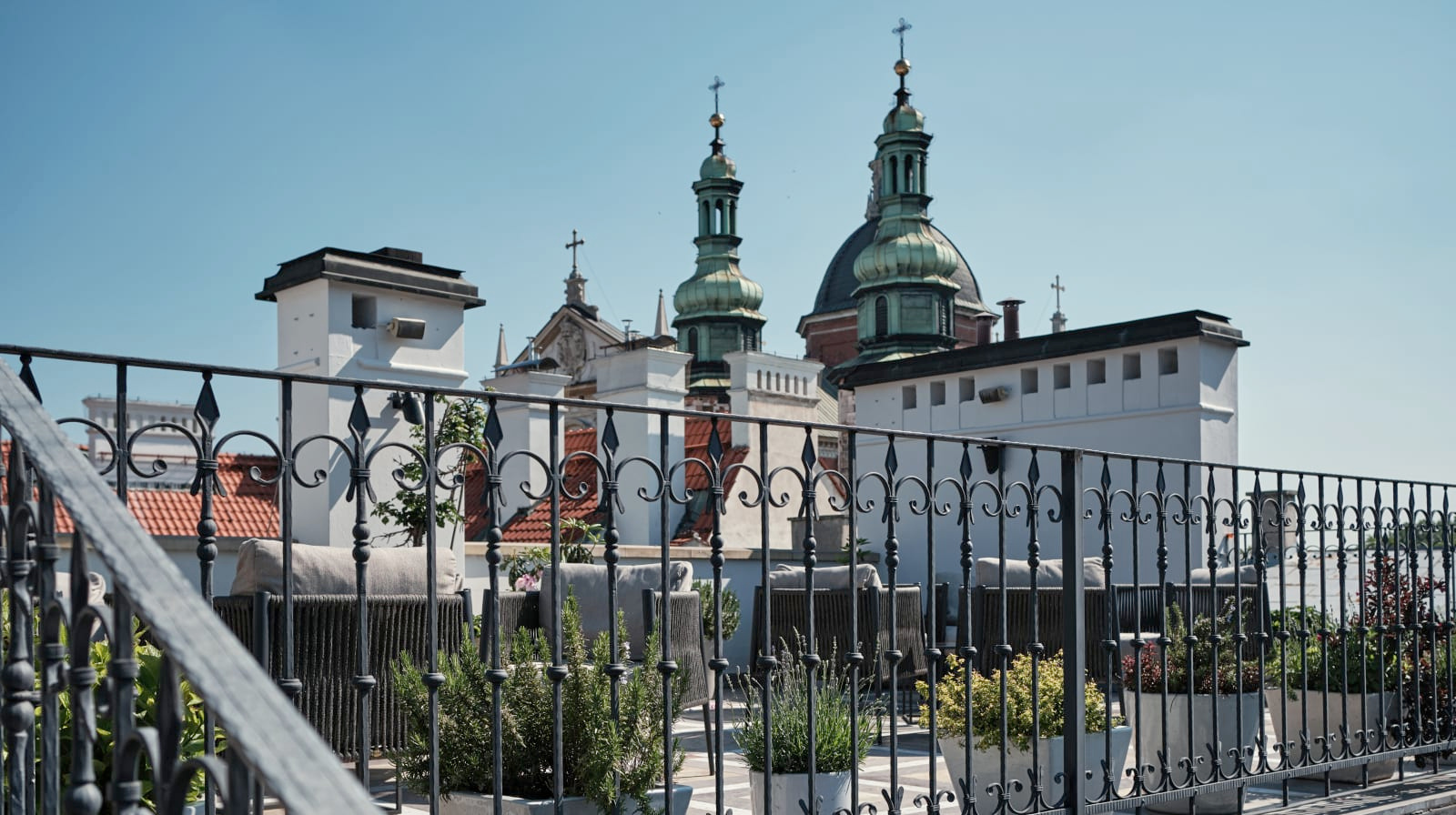
Photo courtesy of Hotel Copernicus
Krakow, Poland - Hotel Copernicus
Medieval Europe survived here—somehow dodging the bombs that leveled the rest of the continent. Walk Krakow's Main Square and you're standing in a 13th-century market that never stopped being a market. The Gothic churches aren't replicas. The Jewish Quarter still echoes with centuries of culture. Wawel Castle sits on a hill overlooking the Vistula River like it has for 500 years. This isn't a museum version of old Europe—it's the real thing. The cobblestones are worn smooth from actual centuries of use. Every cafe, every corner, every building has layers of history you can touch. It's what Prague wishes it still was before the tour buses took over.
When to visit: Visit May through September for the best weather and outdoor cafe season, though spring and fall bring fewer crowds, lower hotel prices, and autumn colors in Planty Park without sacrificing the experience.
Where to stay: Hotel Copernicus occupies a Renaissance building steps from the castle—vaulted ceilings, original frescoes, heated bathroom floors, stone walls that date back centuries, and views over red-tiled rooftops that haven't changed since medieval times, all wrapped in service that balances historic atmosphere with contemporary comfort like excellent breakfast spreads and staff who actually help with restaurant reservations.
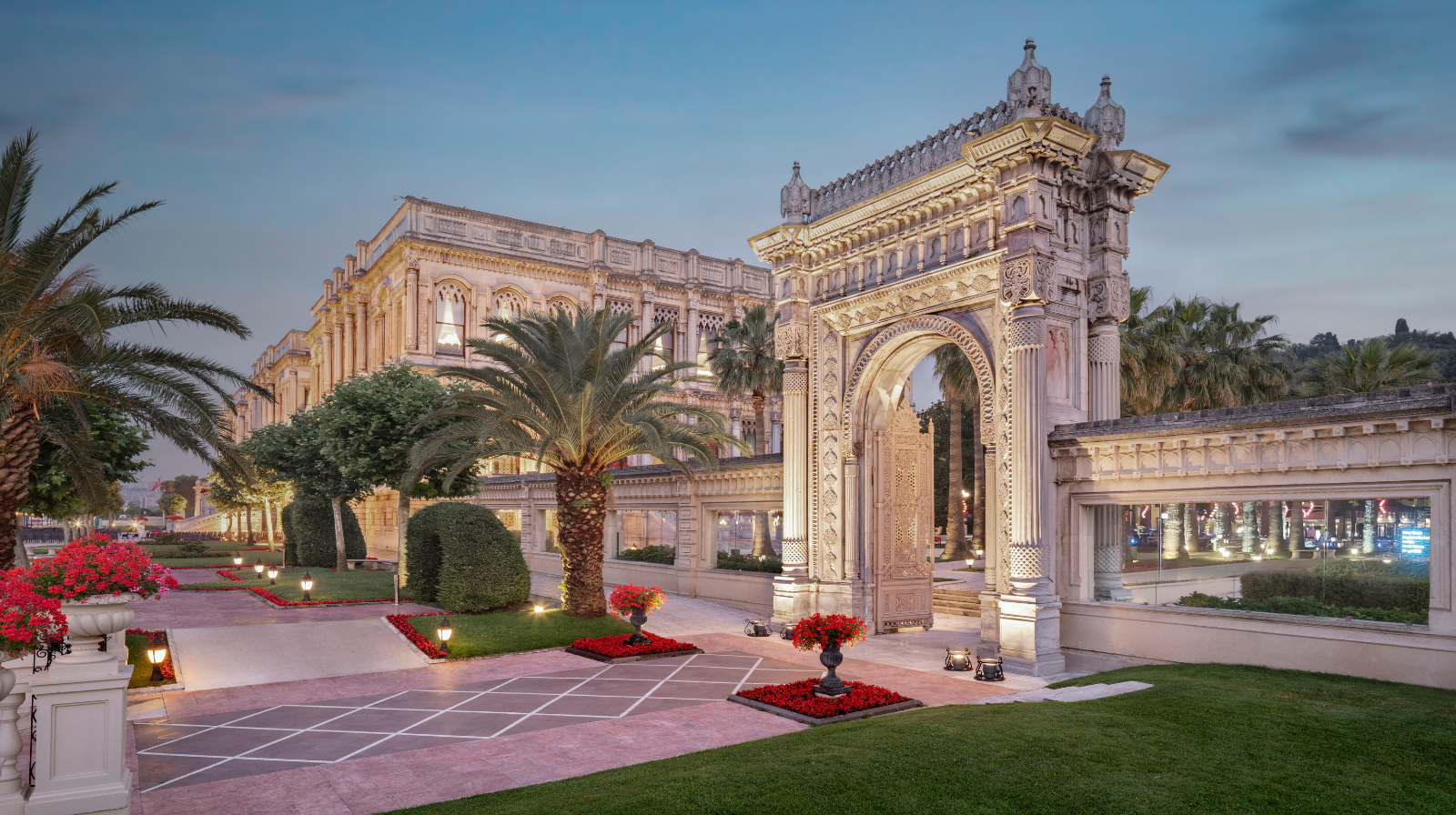
Photo courtesy of Ciragan Palace Kempinski
Istanbul, Turkey - Ciragan Palace Kempinski
Two continents, three empires, thousands of years—all stacked on top of each other in one city. Roman aqueducts feed Ottoman fountains. Byzantine mosaics gleam inside buildings that became mosques. The Hagia Sophia has been a church, a mosque, a museum, and a mosque again—each era leaving its mark. Cross the Bosphorus and you've technically changed continents. Wander the Grand Bazaar's maze and you're walking routes merchants have used since 1461. Spice markets, hammams, street cats, call to prayer echoing off ancient stone. Istanbul doesn't pick an era—it wears all of them at once. Messy, layered, impossible to simplify.
When to visit: Spring (April-May) and fall (September-October) deliver the best weather without summer's oppressive heat or winter's gray drizzle, plus you avoid cruise ship crowds that clog major sites.
Where to stay: Ciragan Palace Kempinski sits directly on the Bosphorus in an actual Ottoman palace built in 1867 for Sultan Abdülaziz—historic palace wing with original details plus modern additions totaling 310 rooms, infinity pool overlooking the water where you watch ships pass between continents, Tuğra restaurant holding two Michelin stars, Sunday brunch that's an Istanbul institution, and service that justifies the price through small touches like Turkish delight at turndown and concierge who can get you into fully-booked restaurants.
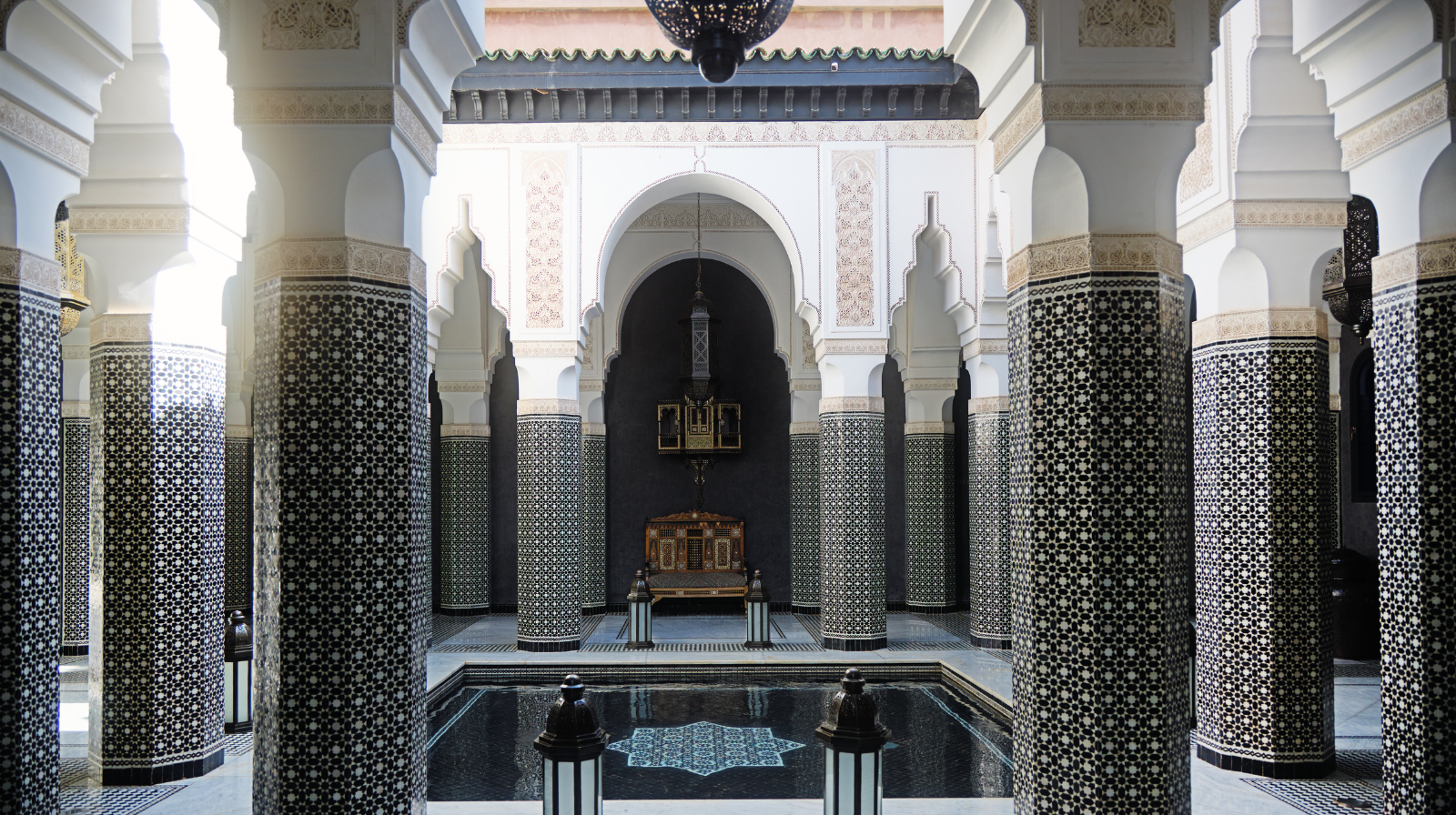
Photo courtesy of Selman Marrakech
Marrakech, Morocco - Selman Marrakech
Step through the medina walls and the modern world just... stops. The souks wind through passages that predate GPS by a millennium. Donkeys still deliver goods down alleyways too narrow for cars. Artisans hammer copper, dye leather, weave rugs using techniques their great-great-grandfathers taught them. Jemaa el-Fnaa square transforms every night into a circus of storytellers, snake charmers, and food stalls that have occupied the same spots for generations. The city's rose-colored walls, the gardens, the riads—everything here moves at the speed of tradition. It's chaotic, overwhelming, and completely alive. Marrakech didn't preserve history—it just never stopped living it.
When to visit: Visit March through May or September through November when temperatures stay in the 70s-80s; summer heat regularly hits 100°F making the souks miserable, winter nights drop surprisingly cold.
Where to stay: Selman Marrakech sits outside the medina's intensity with 56 suites and villas surrounding North Africa's largest pool (not heated, which matters in winter), Andalusian gardens with olive and palm trees, spa using local argan oil and traditional hammam rituals, and Arabian horses that roam the property—the breed is a passion project for the owner. The aesthetic channels Moorish palace meets contemporary luxury with carved plaster, geometric tilework, and modern furnishings that give you breathing room from the city while keeping you close enough (10-minute drive) to dive back into the medina when you're ready.
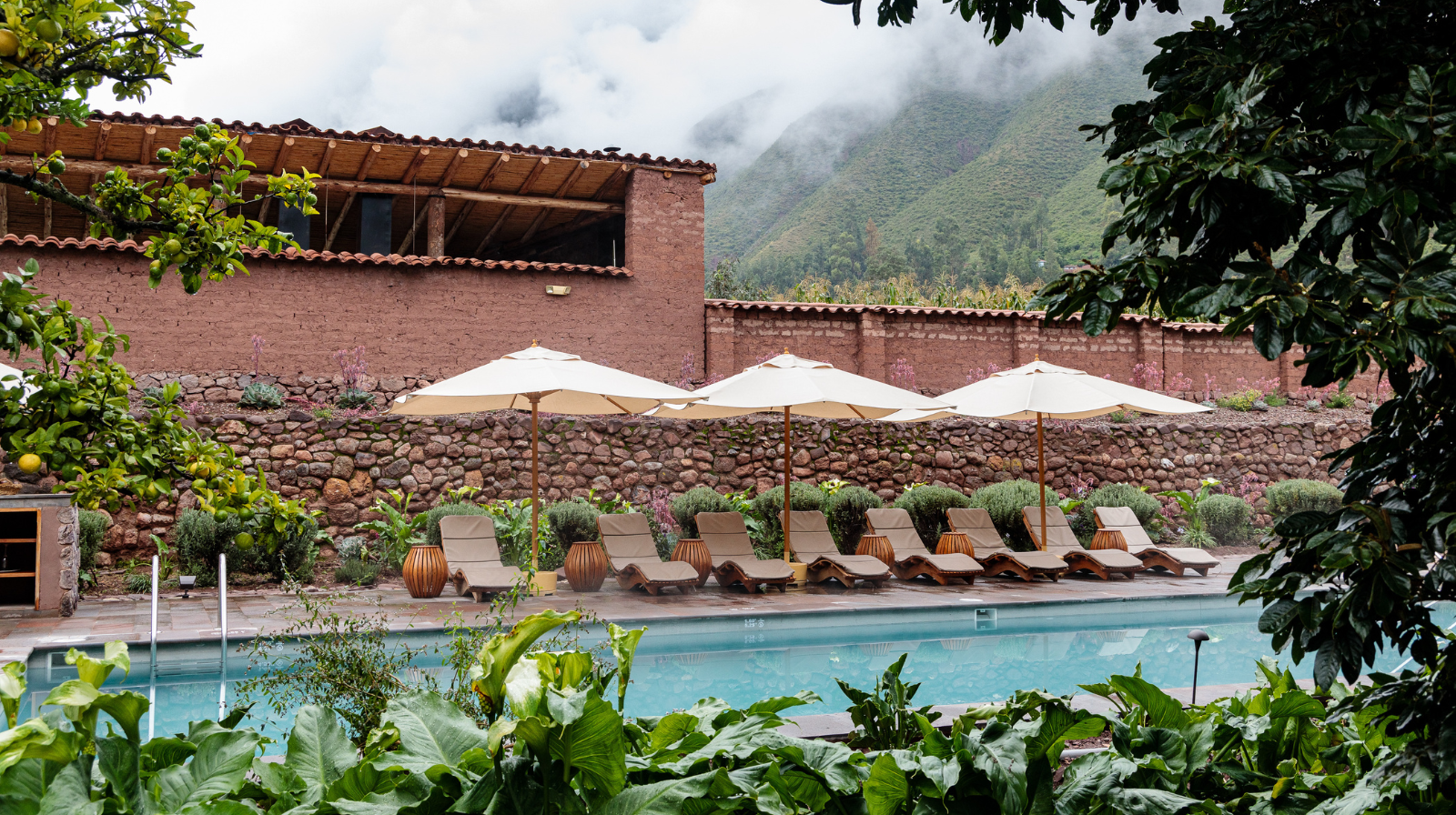
Photo courtesy of Explora Valle Sagrado
Cusco, Peru - Explora Valle Sagrado
The Inca built walls so precisely you can't slide a knife blade between the stones—and Spanish conquistadors just built their churches right on top. That's Cusco. Incan foundations supporting colonial buildings supporting modern cafes. The city sits at 11,150 feet, and you feel every foot of that altitude. Plaza de Armas was the heart of the Incan empire, then the Spanish empire, now it's where locals and travelers mix. Cobblestone streets climb steep hills lined with red-tiled roofs. Every corner reveals another layer—pre-Columbian stonework, baroque churches, Quechua women in traditional dress. It's the gateway to Machu Picchu, but Cusco itself is the history lesson you actually need.
When to visit: May through September is dry season with clear skies and cool nights—crucial for trekking since ruins turn to slippery mud during rainy months (November-March), though rainy season brings green landscapes and fewer tourists if you don't mind afternoon downpours.
Where to stay: Explora Valle Sagrado sits in the Sacred Valley near Urubamba at lower altitude (9,500 feet, noticeably easier breathing than Cusco), with 50 rooms designed for serious exploration—over 30 daily excursion options ranging from easy Sacred Valley walks to advanced Huchuy Qosqo treks to mountain biking to cultural visits with local weavers. Guides know the region intimately and lead small groups, farm-to-table dining uses produce from the valley and hotel's own greenhouse, and the all-inclusive approach (excursions, meals, drinks, transfers included) attracts guests who came for substance over Instagram shots and want to actually understand Incan history rather than just photograph it.
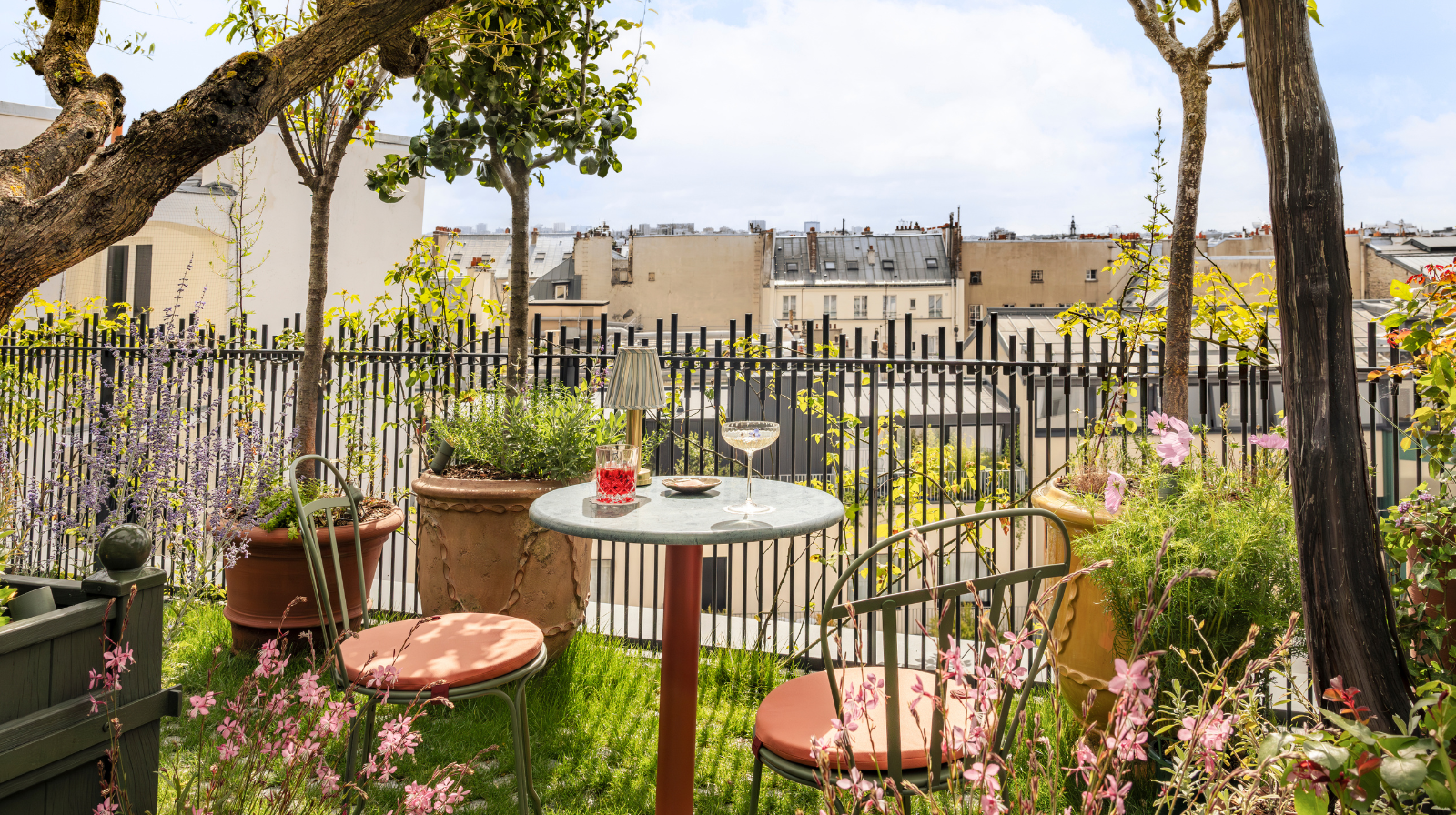
Photo courtesy of La Fantaisie
Paris, France - La Fantaisie
Everyone thinks they know Paris. Then you walk along the Seine at dusk, Notre-Dame scarred but standing, and realize the romanticized version doesn't do it justice. Revolution, empire, occupation, liberation—this city has seen everything and kept its café culture intact. Haussmann's wide boulevards were designed to prevent uprisings. The Marais survived modernization and became the coolest neighborhood in Europe. Shakespeare and Company still sells books across from Notre-Dame. Hemingway's favorite bars are still pouring drinks. Paris isn't living in the past—it just refuses to erase it. The history is everywhere, but so is the present, both pretentious and perfect at once.
When to visit: Spring (April-June) and fall (September-October) bring ideal weather in the 60s-70s and manageable crowds; August sees Parisians flee for vacation and many restaurants close (though tourists fill the void), winter is gray and cold but Christmas markets appear.
Where to stay: La Fantaisie occupies a Haussmannian building in the 9th arrondissement near Palais Garnier opera house with 61 rooms designed by Martin Brudnizki (the talent behind Annabel's in London), ground-floor cocktail bar that draws locals not just hotel guests, and interiors that feel authentically Parisian without relying on clichés—velvet, brass, marble, herringbone floors executed with restraint rather than excess, and service that's warm without being overbearing.
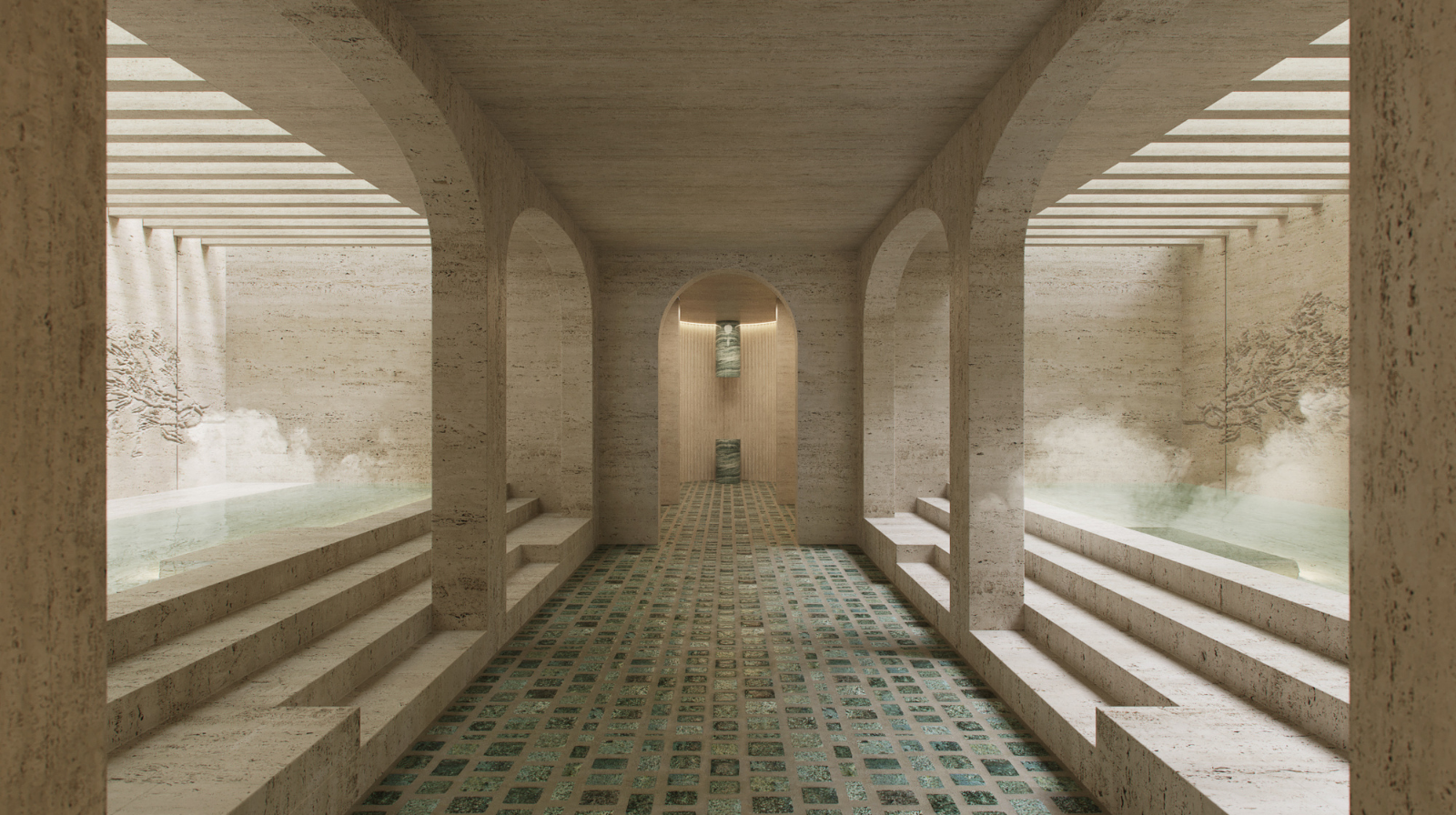
Photo courtesy of Six Senses Rome
Rome, Italy - Six Senses Rome
Ruins aren't cordoned off here—they're just part of the neighborhood. The Pantheon sits in the middle of a busy piazza, still perfect after 2,000 years. Forum columns rise between trattorias. You eat cacio e pepe next to emperors' temples. The Colosseum hosted gladiators, now it hosts tourists, both equally dramatic. Trastevere's narrow streets haven't changed much since medieval times. Vatican City holds enough art to fill lifetimes. Every fountain has a story, every church has a Caravaggio, every cobblestone has been walked by someone more historically significant than you. Rome overwhelms you with how much history can fit into one place. It's ancient, chaotic, and absolutely certain of its importance.
When to visit: Visit April-May or September-October when temperatures hit 70s and crowds thin compared to summer; June-August turns the city into a sweaty mob scene with temps in the 90s, though Romans flee in August leaving some breathing room.
Where to stay: Six Senses Rome converted an 18th-century palazzo near Piazza Navona—96 rooms and suites with original frescoes on ceilings, NOBU restaurant on the rooftop overlooking domes and bell towers, spa offering Roman bath-inspired treatments and Hammam, and interiors that respect the building's history (marble floors, coffered ceilings, antique details) while adding contemporary luxury like heated floors, rainfall showers, custom furnishings, and service that balances attentiveness with giving you space.
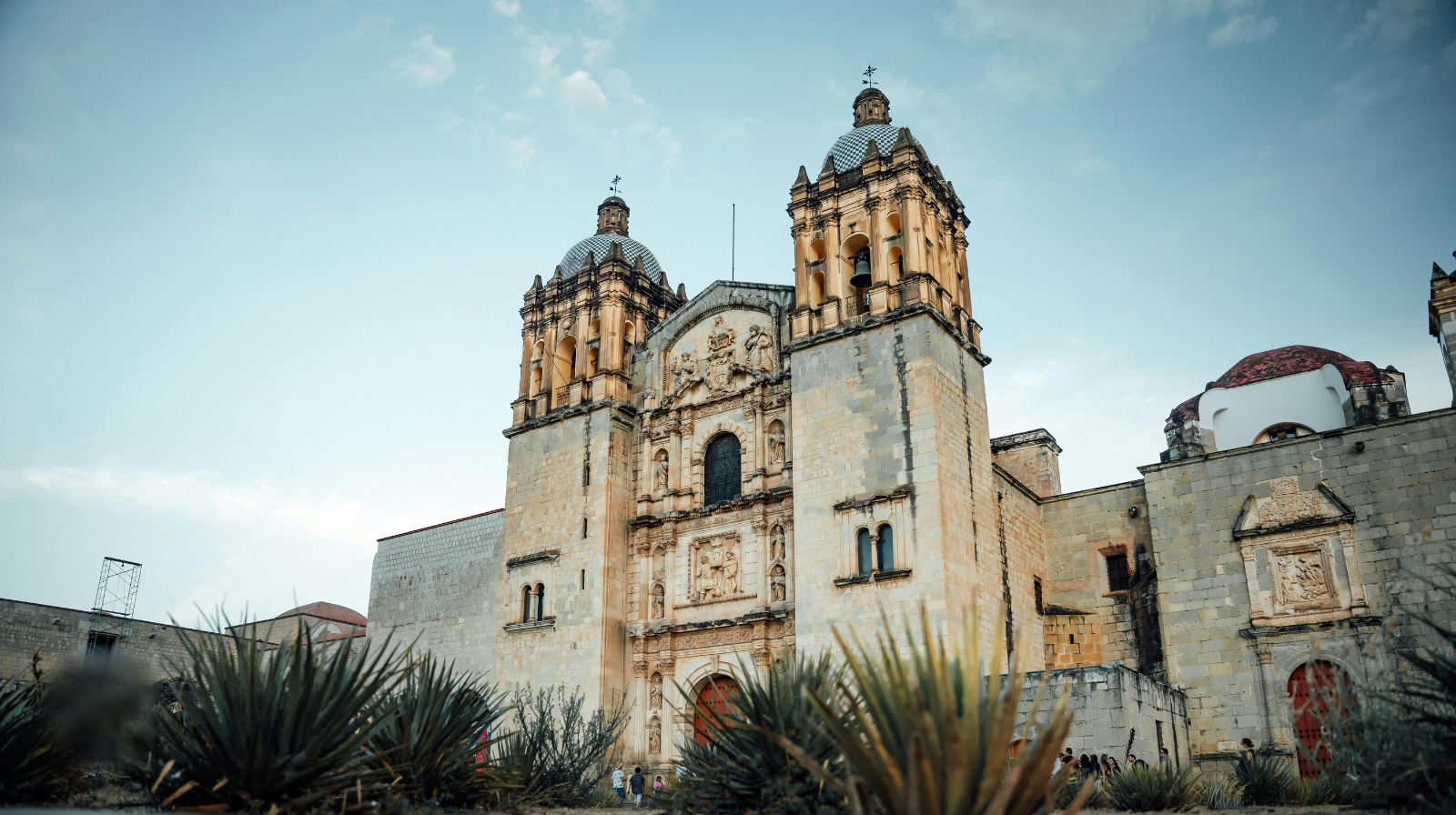
Oaxaca, Mexico - Otro Oaxaca
Indigenous Zapotec culture mixed with Spanish colonial architecture, then added modern Mexican creativity—and somehow it all works. Monte Albán's pyramids overlook the valley, proof this place mattered long before Europeans showed up. The zócalo buzzes every night with families, street food, mezcal bars, live music. Artisan villages surround the city—Teotitlán for rugs, San Bartolo for pottery, each keeping centuries-old techniques alive. The food scene here is unreal—moles, tlayudas, chapulines, chocolate. Markets overflow with ingredients you've never heard of. Day of the Dead isn't performative here—it's real, observed with altars and parades. Oaxaca keeps its traditions while moving forward. Authentic without being stuck.
When to visit: Visit in October for Día de los Muertos celebrations when the city transforms with marigold-covered altars, parades, and cemetery vigils (book hotels months ahead), or anytime outside rainy summer months (June-September) when afternoon downpours are reliable.
Where to stay: Otro Oaxaca sits in the city center with 19 suites in a restored colonial building—rooftop pool overlooking Santo Domingo church's green-tiled dome, Ítalo restaurant serving elevated Oaxacan cuisine with ingredients from local producers, and design blending local crafts (talavera tiles, woven textiles, carved wood) with minimalist interiors that reference tradition without becoming a museum, plus thoughtful touches like mezcal tasting experiences and connections to local artisans.
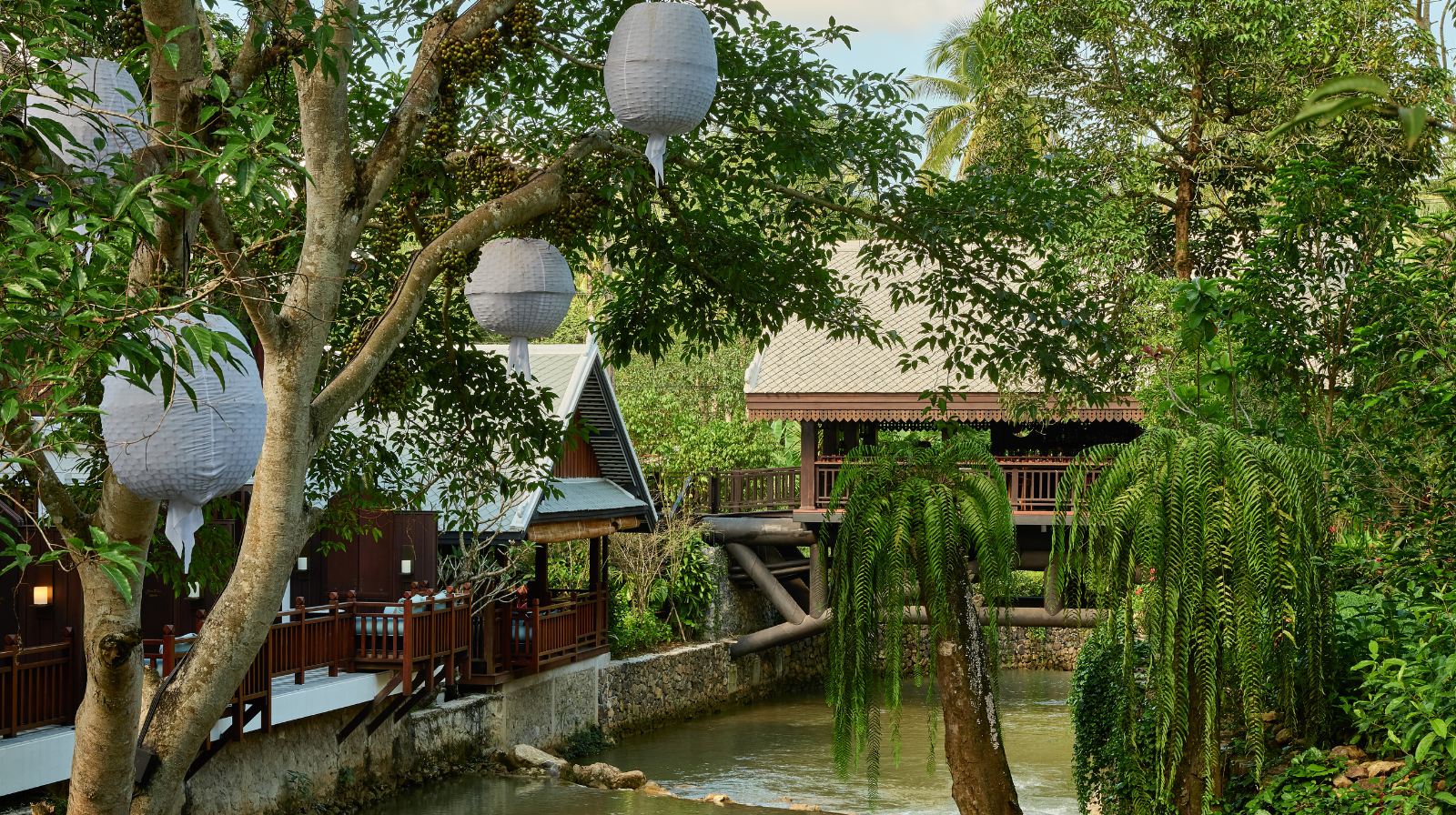
Photo courtesy of Rosewood Luang Prabang
Luang Prabang, Laos - Rosewood Luang Prabang
French colonial buildings painted mustard yellow. Buddhist temples with gilded roofs. Monks in saffron robes collecting alms at dawn. The Mekong River flowing past jungle-covered hills. Luang Prabang somehow preserved itself while the rest of Southeast Asia modernized at breakneck speed. The entire town is a UNESCO site—which could feel precious, but doesn't. Night markets sell textiles locals actually make. Temples date back centuries and monks still live in them. Waterfalls and caves hide in the surrounding countryside. The pace is slow, intentionally so. Laos was bombed more heavily per capita than any country in history, but Luang Prabang survived. It's quiet, spiritual, unhurried—everything modern travel claims to offer but rarely delivers.
When to visit: November through February offers dry, cooler weather with temps in the 60s-80s; hot season (March-May) pushes into the 90s with humidity, and monsoon season (June-October) brings daily downpours though mornings are often clear.
Where to stay: Rosewood Luang Prabang spreads across a former French estate with 23 luxury tents (actual structures with air conditioning, Wi-Fi, soaking tubs, and canopy beds—not camping) set among tropical gardens, riverside restaurant serving Lao and French cuisine, Sense spa offering traditional Lao treatments like herbal compresses and Tok Sen (wooden hammer massage), waterfalls you can walk to directly from the property through jungle trails, and location on the Nam Khan River that delivers nature without roughing it while staying close enough (10 minutes) to town.

Photo courtesy of Hotel Casa San Agustin
Cartagena, Colombia - Hotel Casa San Agustin
Fortified walls built to keep pirates out now keep the colonial old town intact. Colorful buildings with wooden balconies line cobblestone streets. Bougainvillea spills over every wall. The Caribbean sits right there, humid and present. Cartagena was Spain's most important port in South America—all that gold from Peru flowed through here. Slavery, colonialism, revolution—the city wears its complicated history openly. Getsemaní evolved from working-class neighborhood to artistic hub without losing its edge. Street art covers walls. Salsa spills from doorways. The food blends Caribbean, African, and Spanish influences. Hot, loud, colorful, unapologetically itself. History here isn't polite—it's layered, messy, alive.
When to visit: December through April is dry season with clearest skies and lowest humidity though it's still hot; shoulder months (November, early December) bring occasional rain but lower prices and thinner crowds, rainy season (May-November) means afternoon thunderstorms but mornings are usually clear.
Where to stay: Hotel Casa San Agustin occupies three connected colonial houses from the 17th century in the San Diego neighborhood with 30 rooms—original coral stone walls exposed in some rooms, contemporary furnishings that respect the historic bones, courtyard pool surrounded by tropical plants, rooftop bar serving cocktails with views over terracotta roofs and church towers, and location steps from major sites (cathedral, Palace of the Inquisition, Plaza de Bolivar) that delivers boutique luxury respecting 400 years of history without feeling stuffy or museum-like.
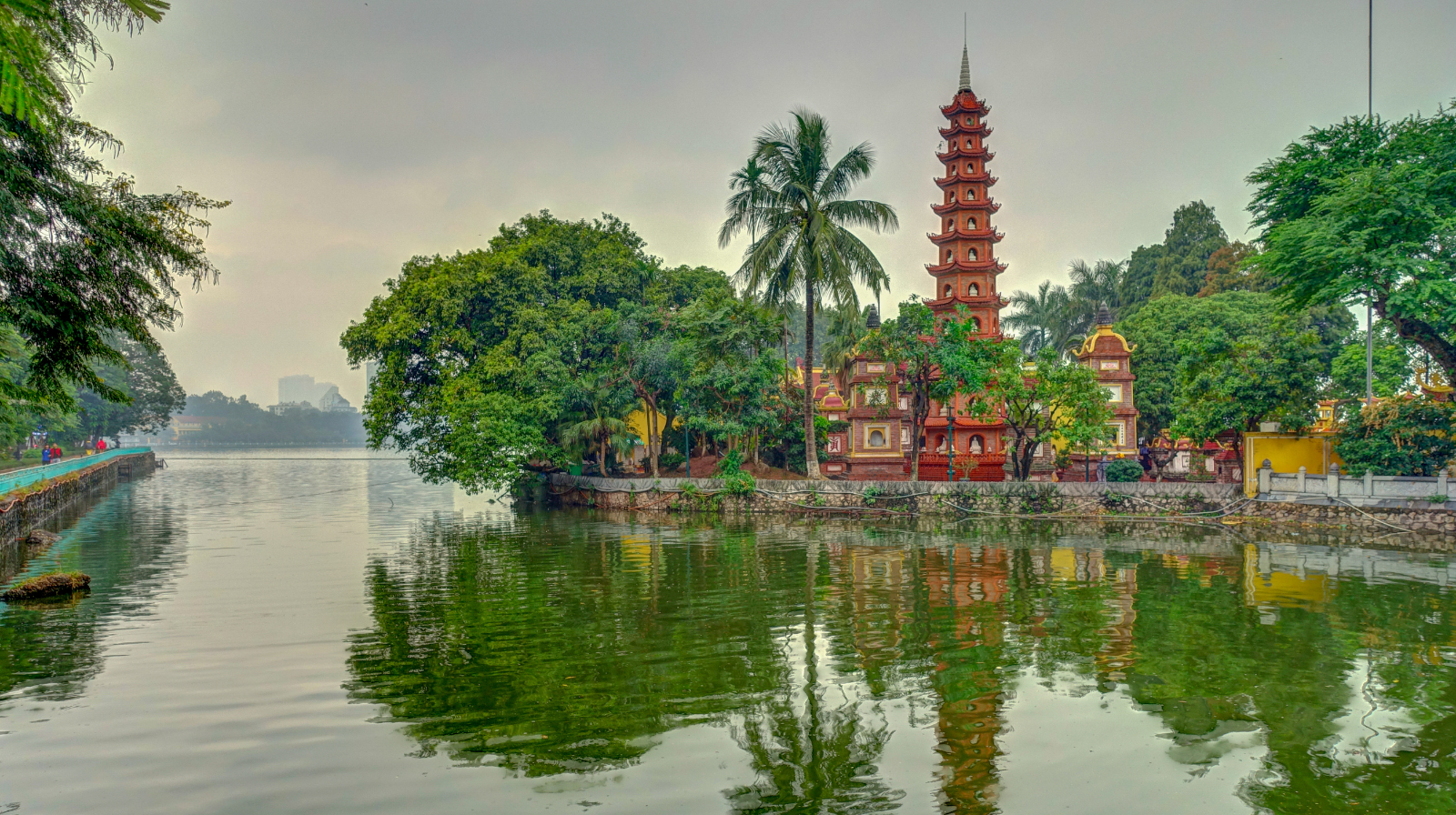
Hoi An, Vietnam - Four Seasons Nam Hai
Chinese shophouses, Japanese bridges, French colonial villas, Vietnamese tube houses—all preserved in a town that time forgot to modernize. Hoi An was a major trading port from the 15th-19th centuries, and when the river silted up, bigger ships stopped coming. The town just... stayed the same. Tailors still make custom clothes in 24 hours. Lanterns light the old town every night. The Thu Bon River reflects yellow buildings and wooden boats. Japanese Covered Bridge has stood since 1593. French influence shows in the bread and coffee. It's touristy now—but the architecture is real, the culture is intact, and the food is incredible. Hoi An survived wars and modernization by accident. That accident created something irreplaceable.
When to visit: Visit February through April before monsoon season hits with warm temps and low rainfall; September-December brings floods that can shut down the old town (late September-early November is worst), May-August is hot and humid but manageable with occasional rain.
Where to stay: Four Seasons Nam Hai sits on Ha My Beach five miles from Old Town—100 villas with private pools (most have ocean or garden views), Vietnamese-inspired architecture with dark wood, peaked roofs, and open-air bathrooms, Heart of the House spa offering Vietnamese and Asian treatments including hot stone massages, three restaurants covering Vietnamese, Pan-Asian, and beachfront casual dining, and enough distance from town that you get resort relaxation but easy access when you want culture through complimentary shuttle service running every 30 minutes, plus Four Seasons service standards like remembering your name and preferences.
Ready to explore history without the tourist trap disappointment?
I handle the planning, you get the trip. As an affiliate of Fora Travel, Out There with Jake clients have access to exclusive perks—we’re talking room upgrades, hotel credits, and the kind of access that doesn't come with DIY bookings.
Fill out the form below to start planning.