
5 Romantic Getaways That Skip the Clichés
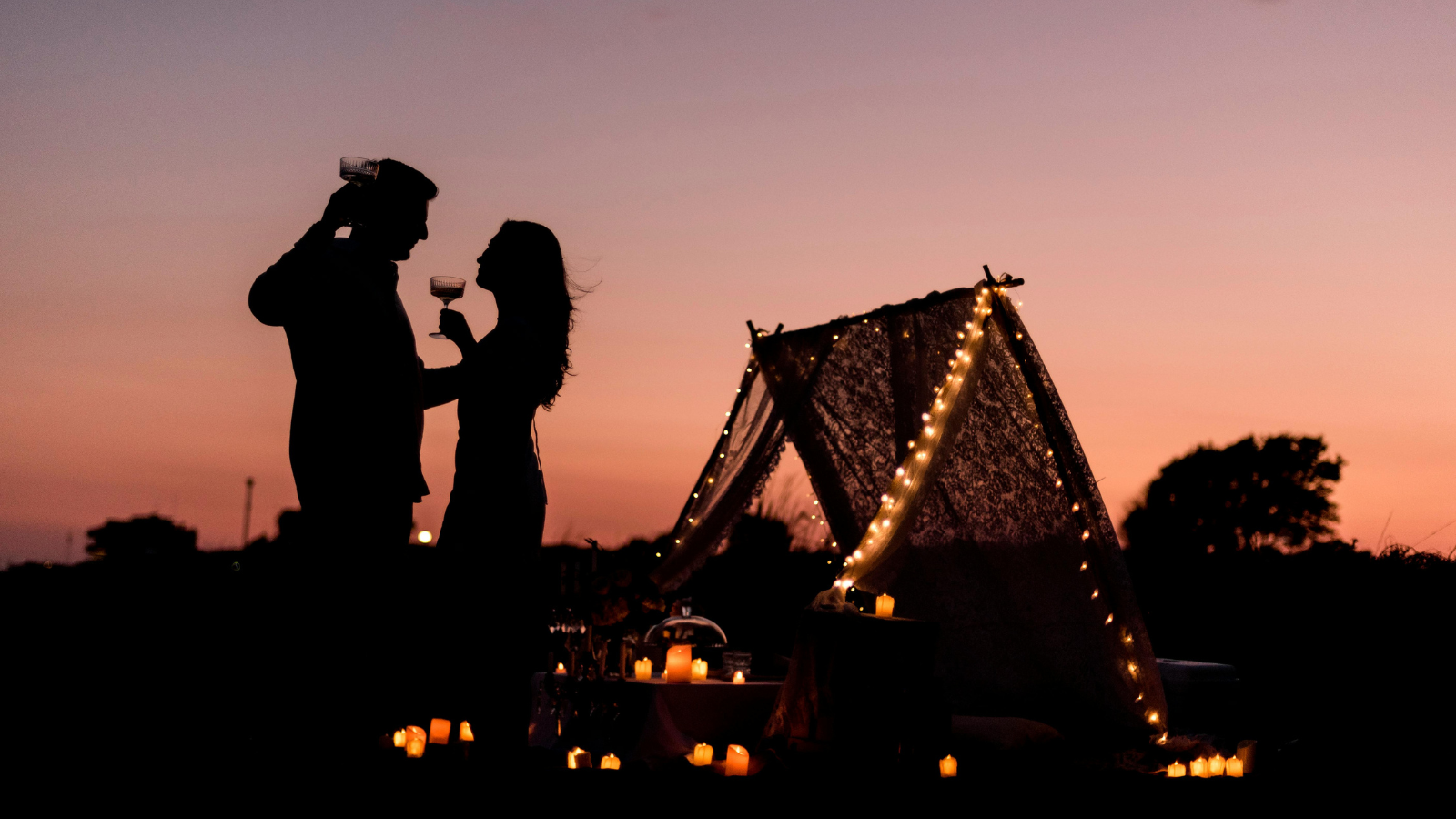
Cuffing season is here.
Time to book a trip that's actually romantic—not just Instagram bait or the same tired destinations everyone suggests.
Below: five places that work for couples who want substance, not just scenery. Design-forward properties, excellent food, and experiences that don't feel forced. No Paris. No Santorini. No apologies.
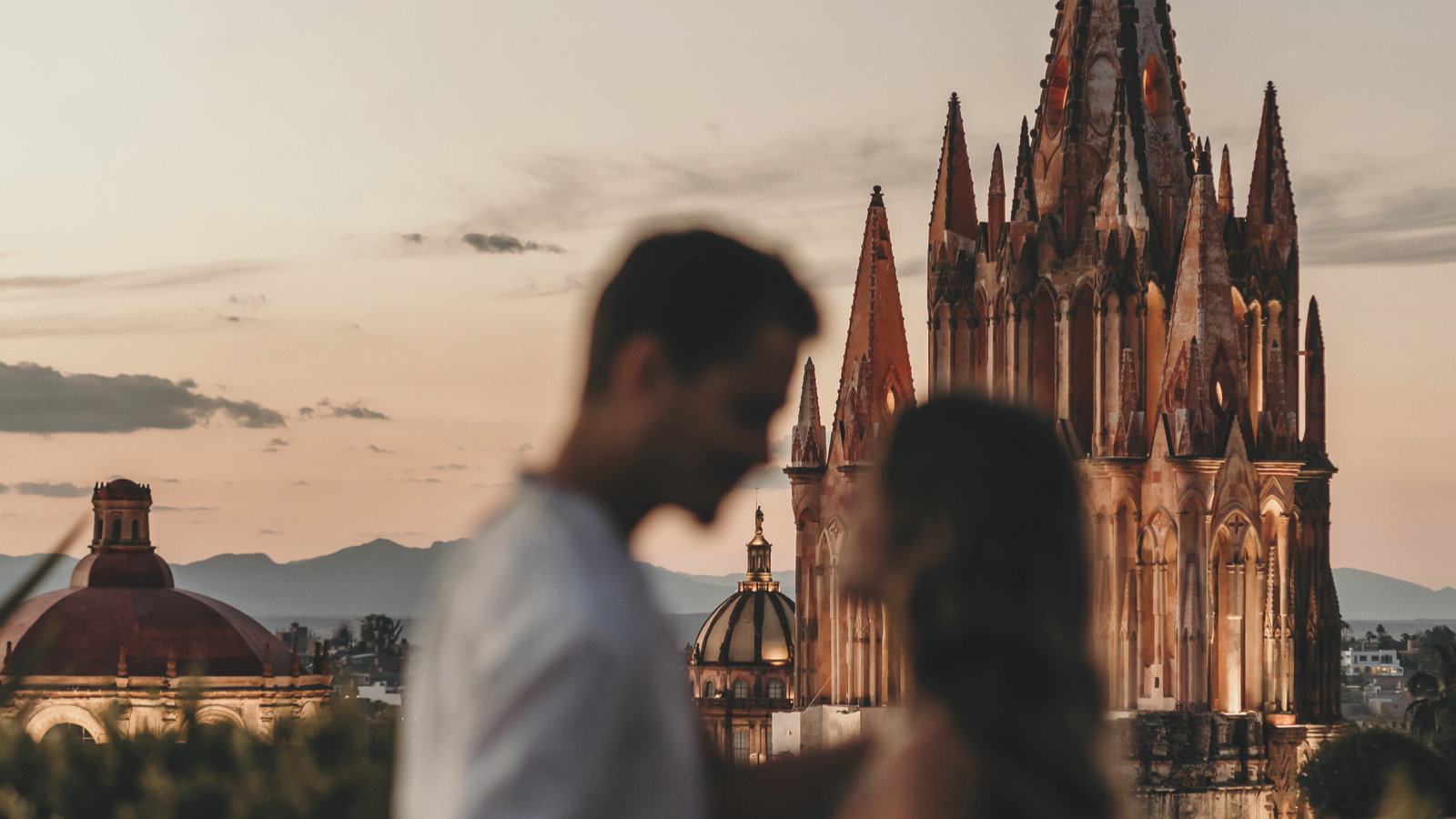
Photo courtesy of Casa de Sierra Nevada
San Miguel de Allende, Mexico
San Miguel earned UNESCO World Heritage status for its colonial architecture, and the designation fits—baroque churches, cobblestone streets, and courtyards hidden behind centuries-old walls create a backdrop that doesn't need filters. The city sits at 6,200 feet in central Mexico's highlands, which means cool evenings perfect for lingering over dinner and mornings that require a light jacket. Art galleries and studios occupy former mansions, the food scene runs deeper than most Mexican beach towns, and the expat/local mix creates energy without diluting authenticity. Hot springs dot the surrounding countryside (La Gruta's caves and thermal pools work better than any spa treatment), and the Parroquia de San Miguel Arcángel's pink neo-Gothic towers anchor the main plaza where couples walk off multi-course meals. Markets sell actual crafts made by actual artisans, not airport gift shop versions, and rooftop bars deliver sunset views that make you understand why people move here and never leave.
Worth it for: Couples who want culture and romance without beach resort energy, food-focused travelers, anyone seeking colonial charm with contemporary edge.
Where to Stay: Casa de Sierra Nevada, A Belmond Hotel spreads across multiple colonial mansions in the historic center—courtyards with fountains, rooftop terraces, cooking school on-site, and service that balances attentiveness with giving you space. The property feels like staying in someone's (very wealthy) home rather than a hotel.
Porto, Portugal
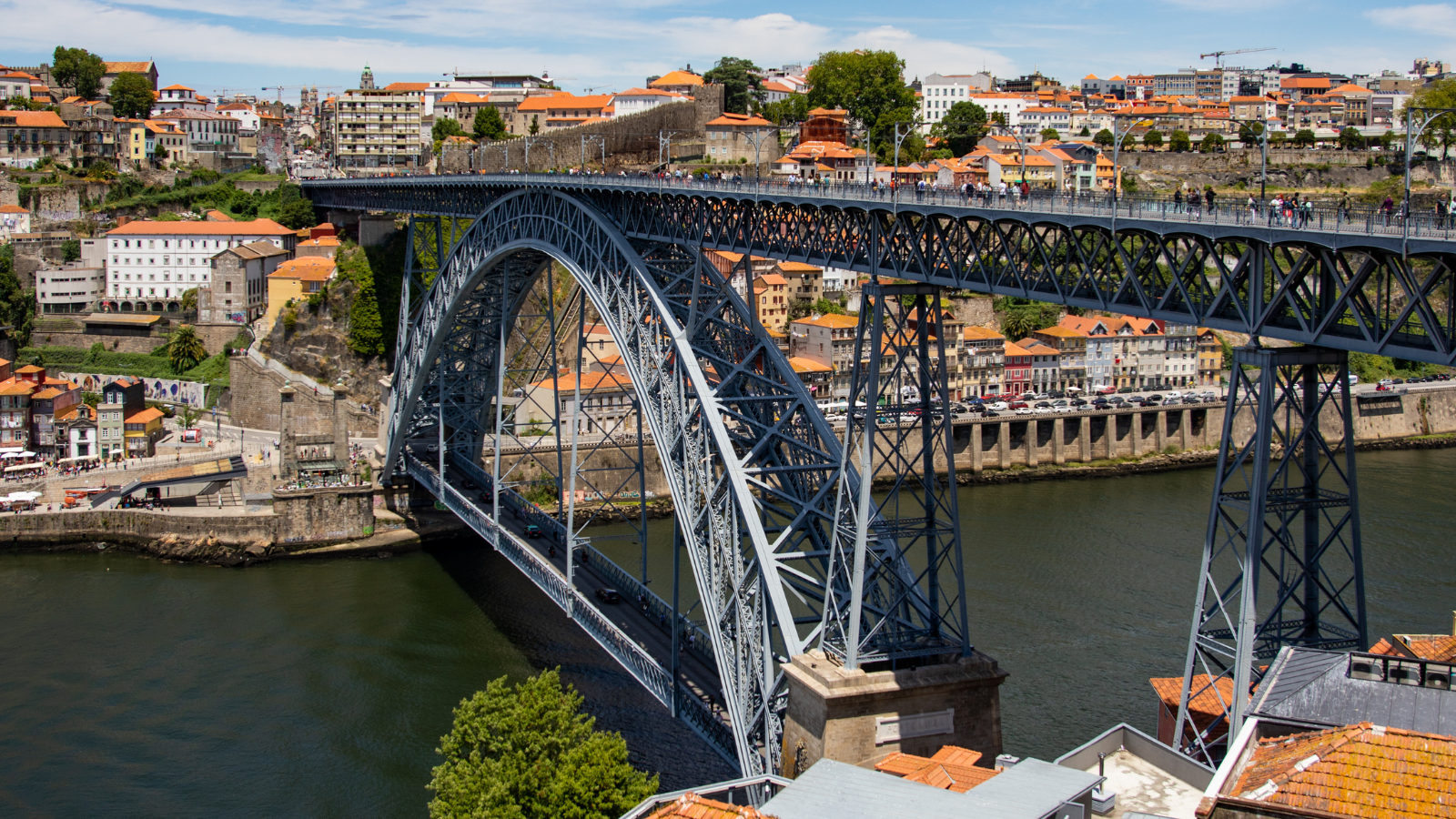
Porto backs up its reputation as Portugal's underrated gem—the Douro River cuts through the city, port wine cellars line Vila Nova de Gaia across the water, and azulejo-tiled buildings climb steep hills in ways that make every walk feel cinematic. The food culture punches above its weight with francesinha (Portugal's answer to a heart attack sandwich, served at 2am after bar hopping), fresh seafood that costs half what you'd pay in Lisbon, and neighborhood tascas where locals still outnumber tourists. Ribeira's riverside district delivers postcard views but knows it, so venture into Cedofeita or Bonfim for streets that feel lived-in. Wine tourism works here—Douro Valley day trips take you through terraced vineyards and family-run quintas where tastings feel personal, not packaged. River cruises at sunset, centuries-old bookstores (Livraria Lello inspired Harry Potter for good reason), and café culture that encourages lingering make Porto romantic without trying.
Worth it for: Wine-focused couples, travelers who want European charm without Lisbon's crowds or prices, anyone seeking substance over polish.
Where to stay: Vila Foz Hotel & Spa occupies a restored 19th-century palace on the Atlantic coast—sea views, Michelin-starred restaurant, spa that commits to relaxation, and location that puts you outside Porto's tourist center while staying close enough to access everything.
Provence, france
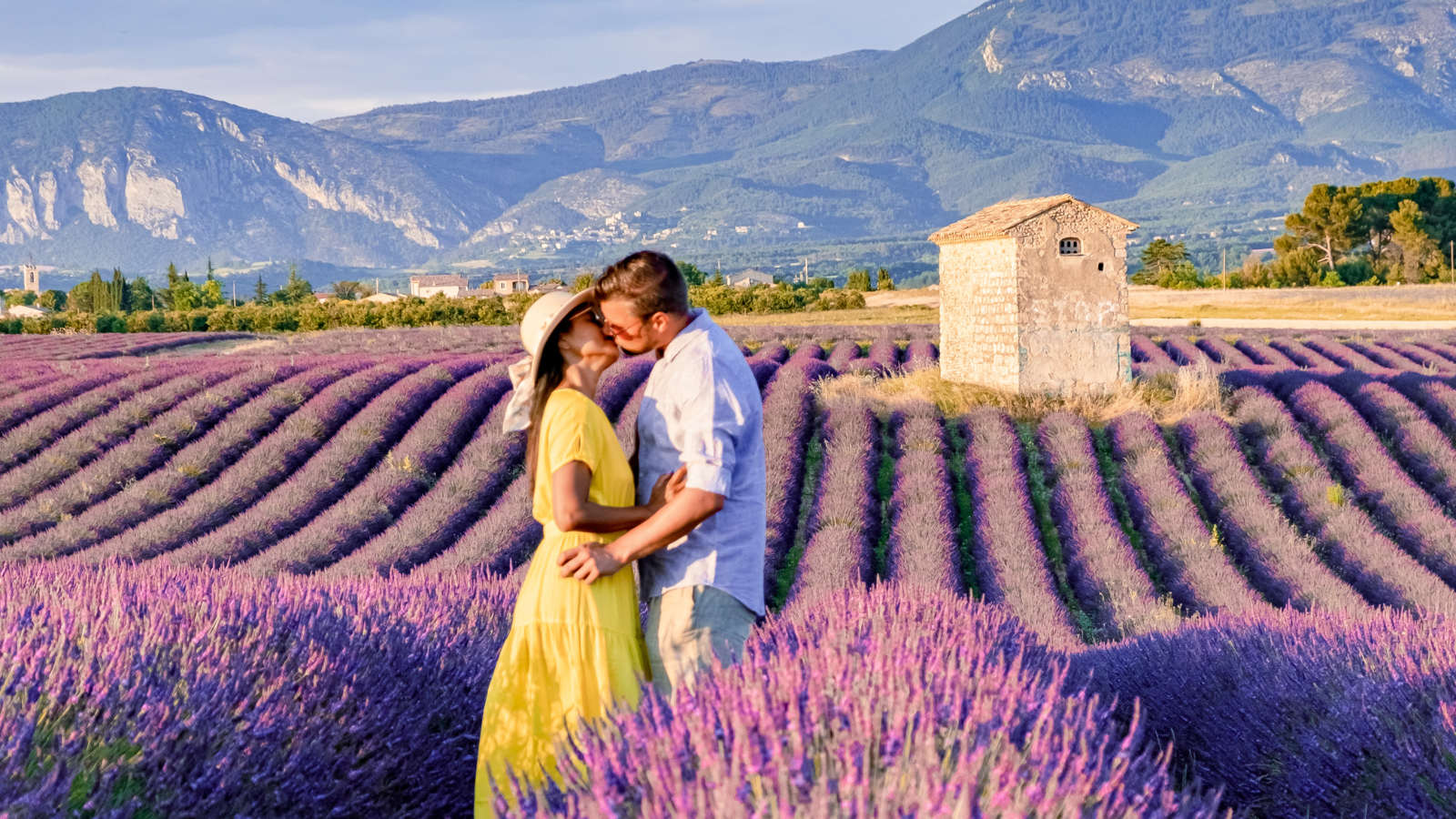
Provence delivers on the fantasy—hilltop villages where stone houses cascade down cliffsides, lavender fields (if you time it right in June/July), vineyards producing wines that never make it beyond regional borders, and farmers markets selling produce that justifies the hype around French ingredients. The Luberon Valley concentrates the best parts: Gordes perched dramatically above the valley, Roussillon's ochre cliffs creating rust-colored backdrops, Ménerbes offering Provençal charm without tour buses. The pace slows here in ways that feel intentional—long lunches at country estates, afternoon wine tastings at small producers, cycling through countryside where the biggest decision is which village to explore next. Truffle hunting in winter, antique markets year-round, and cooking classes that teach techniques instead of tourist versions of French food. The light really does look different here (painters moved to Provence for reasons), and evenings stretch with golden-hour walks through villages where everyone knows the baker.
Worth it for: Couples seeking slow travel and countryside romance, food and wine lovers, travelers who prefer villages over cities.
Where to stay: Airelles Gordes, La Bastide occupies a restored bastide with valley views, Dior spa, Michelin-starred restaurant, and five-star service that doesn't feel stuffy.
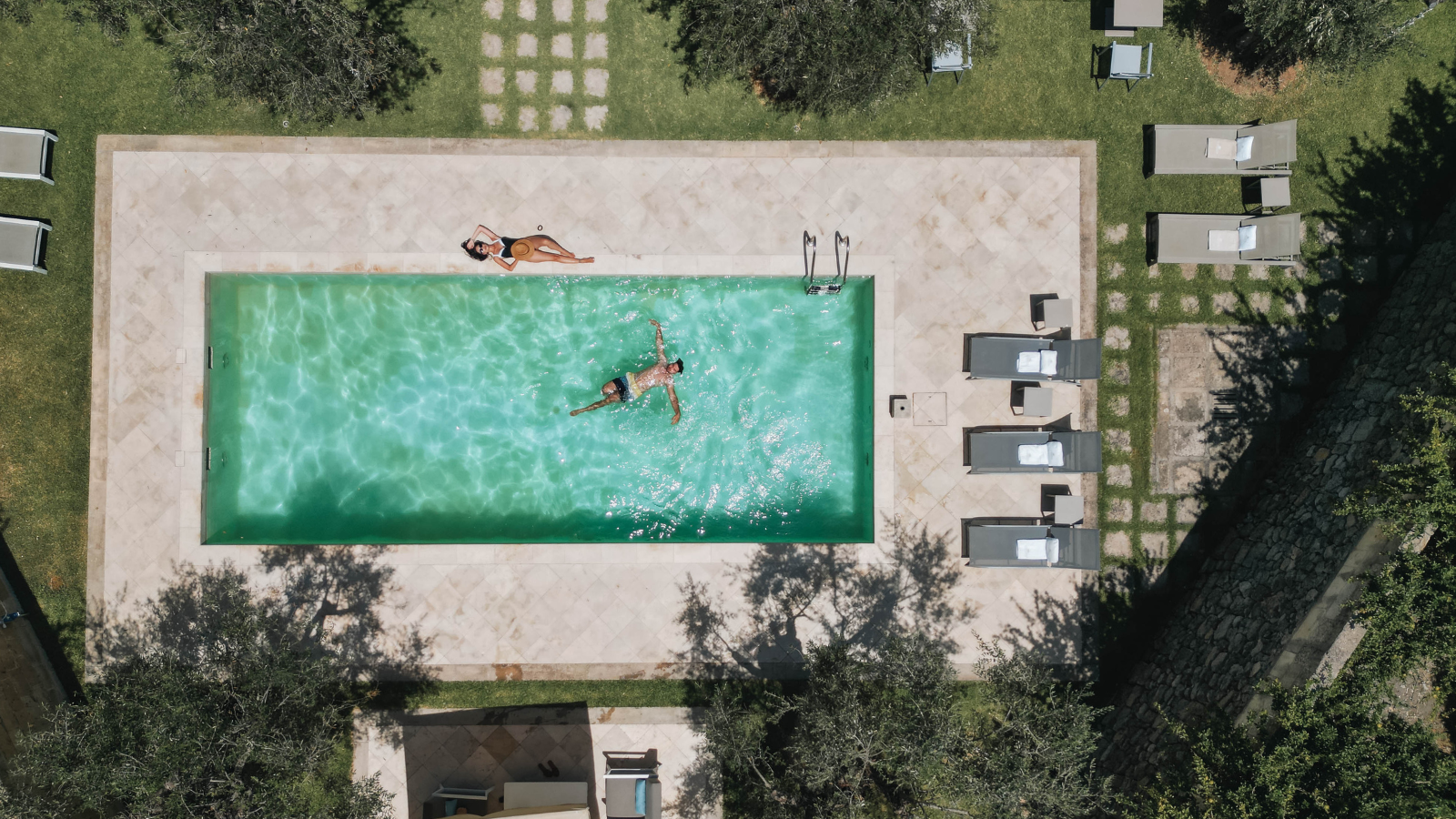
Photo courtesy of La Fiermontina Luxury Home
puglia, italy
Puglia remains Italy's best-kept secret despite growing attention—the heel of the boot delivers Adriatic coastline, olive groves older than most countries, trulli houses (cone-roofed stone dwellings that shouldn't work but do), and food culture built on necessity that became excellence. Masserie (fortified farmhouses) converted into hotels dot the countryside, offering pools surrounded by ancient olive trees and restaurants serving vegetables grown steps from the kitchen. Alberobello's trulli district earned UNESCO status and the concentration of cone houses creates surreal streetscapes. Lecce brings baroque architecture called "Lecce baroque" because the local stone allowed sculptors to go wild with details. Polignano a Mare perches on limestone cliffs above the sea, and restaurants built into caves serve seafood caught that morning. The burrata ruins you for life (it's from here), wine comes from indigenous grapes you've never heard of, and the Adriatic stays warm enough for swimming into October. Tourism exists but hasn't overwhelmed—locals still dominate restaurants and beaches.
Worth it for: Couples who want Italian romance without Amalfi crowds, food-focused travelers, beach and culture combination seekers.
Where to stay: La Fiermontina Luxury Home hides in Lecce's historic center—boutique luxury across three restored palazzos, rooftop terrace overlooking baroque churches, intimate scale (12 suites), and design that respects the building's history while delivering modern comfort.
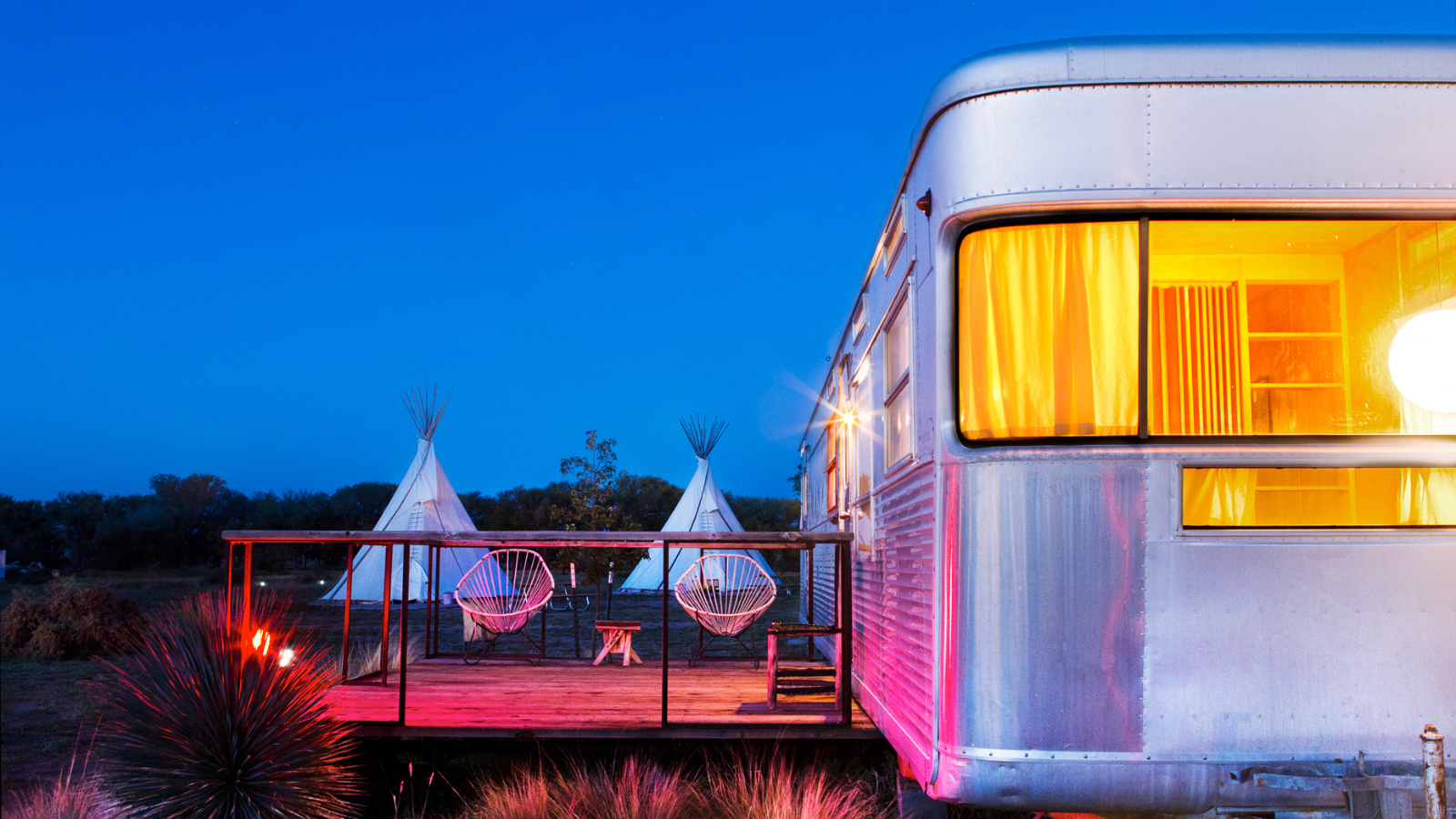
Photo courtesy of El Cosmico
marfa, texas
Marfa works if you understand what you're getting—high desert, population 1,700, art installations in the middle of nowhere, and minimalist aesthetic applied to everything from hotels to food trucks. Donald Judd moved here in the 1970s and transformed abandoned military buildings into the Chinati Foundation contemporary art museum, which set the tone for everything that followed. Prada Marfa (the fake store in the desert) became Instagram famous, but the real draw is space—physical and mental. Stars at night justify the "darkest skies in the continental US" claim, and sitting under them (possibly in El Cosmico's outdoor bathtubs) creates the kind of quiet that couples in cities forgot existed. The food truck and small restaurant scene exceeds expectations (Cochineal, Capri), galleries show serious work, and the lack of typical romantic infrastructure (no fancy date night restaurants, no spas, no room service) forces you to actually spend time together. It's romantic for couples who find connection in shared experiences, not resort amenities.
Worth it for: Couples who appreciate art and solitude, travelers seeking disconnection, anyone tired of conventional romance.
Where to stay: El Cosmico commits fully to the unconventional—vintage trailers and safari tents, communal outdoor spaces, hammocks, and bathtubs under the stars that either work completely or don't (know yourselves before booking).
Ready for a truly romantic getaway?
I handle the planning, you get the trip. As an affiliate of Fora Travel, Out There with Jake clients have access to exclusive perks—we're talking room upgrades, hotel credits, complimentary breakfast, spa treatments, and the kind of access that doesn't come with DIY bookings.
Fill out the form below to start planning.