
Europe's Best christmas Markets: Where to Actually Go This Winter
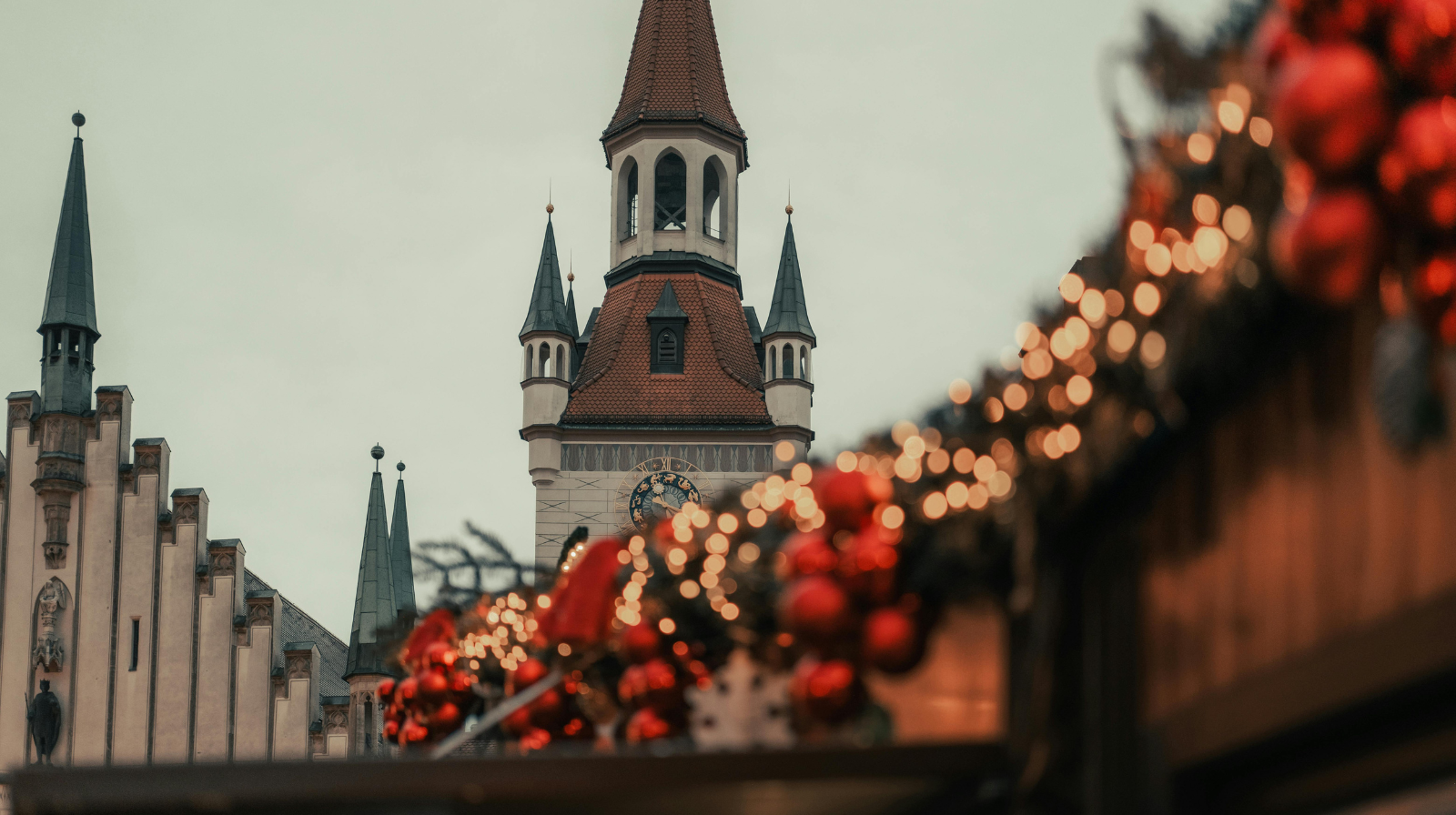
Holiday markets have a reputation problem. Half are overrun with tourists buying mass-produced ornaments while Instagram influencers block the glühwein line. The other half deliver exactly what you came for: centuries-old traditions, craft stalls that actually matter, and the kind of atmosphere that makes freezing your ass off feel worth it. Europe does holiday markets better than anywhere else, but that doesn't mean they're all created equal. Some cities phone it in with generic wooden chalets and overpriced bratwurst. Others bring genuine magic—hand-carved nativity scenes, local artisans selling their work, mulled wine recipes passed down through generations.
Below, I'm breaking down 10 European cities where the holiday markets actually deliver. No fluff, no "must-see" garbage. Just the truth about what works, where to stay, and what to expect when you show up.
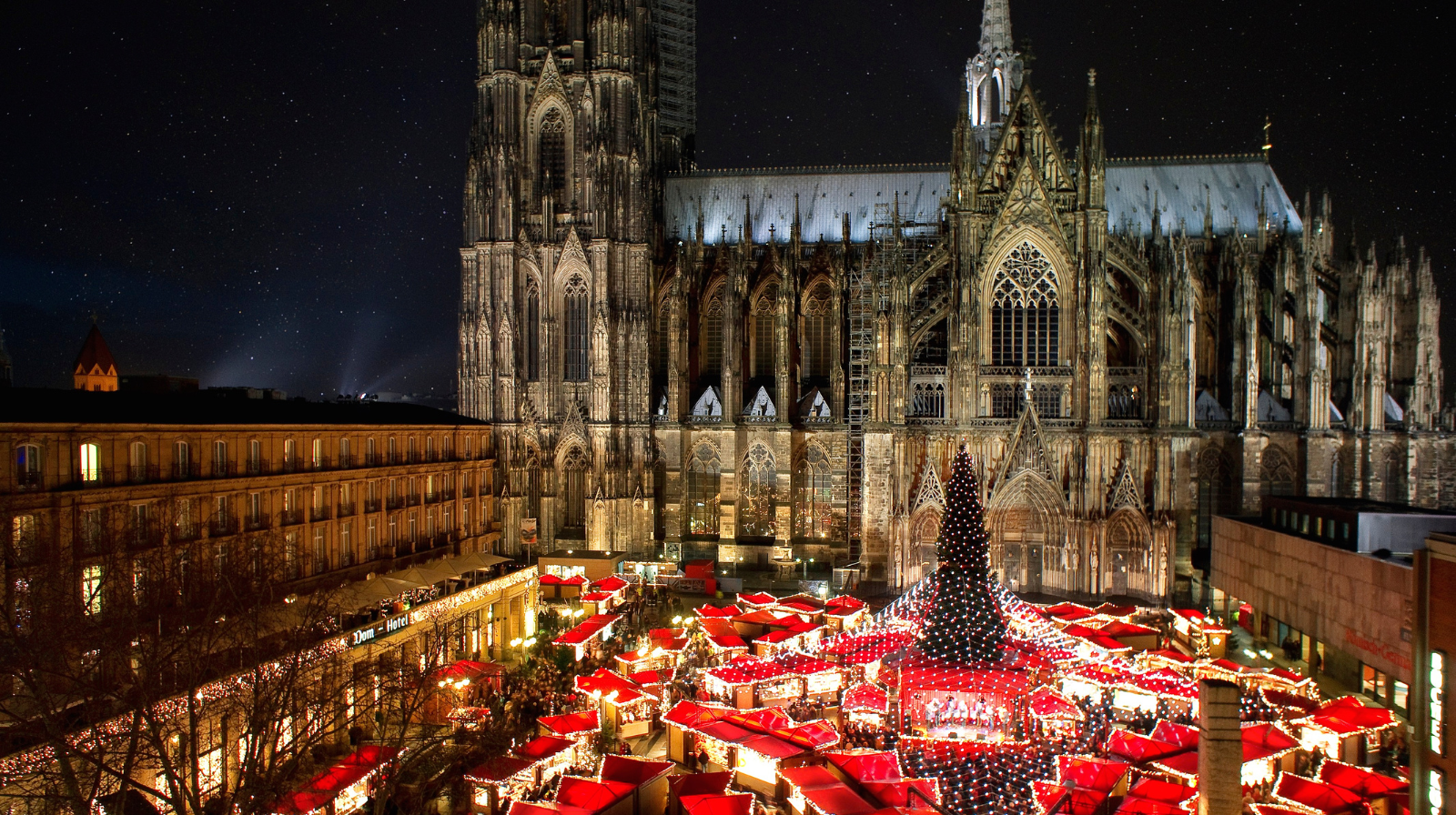
cologne, germany
Cologne owns its cathedral identity, and the Kölner Dom lives up to the hype—600 years of construction created a Gothic masterpiece that dominates the skyline without feeling excessive. The Rhine River runs through the city, the Old Town survived World War II better than most German cities, and the beer culture is legit (Kölsch served in small glasses that get replaced constantly). The vibe skews younger and more welcoming than other German cities, which matters when you're navigating unfamiliar winter streets. Multiple holiday markets spread across Cologne, each with distinct personality—traditional crafts in one, design-forward goods in another, full medieval vibes in a third. The main market sits at the cathedral's base, and those wooden stalls lit against Gothic spires at night justify fighting the crowds. Food goes beyond basic with currywurst, reibekuchen (potato pancakes), and roasted almonds that taste like actual almonds instead of sugar bombs.
Worth it for: First-time Christmas market visitors, beer lovers, anyone who wants variety without hopping between cities.
Where to Stay: 25hours Hotel / The Circle brings fun and quirky design without luxury pricing. The rooftop bar delivers cathedral views, interiors stay playful without being annoying, and the location puts you close to the main market action.
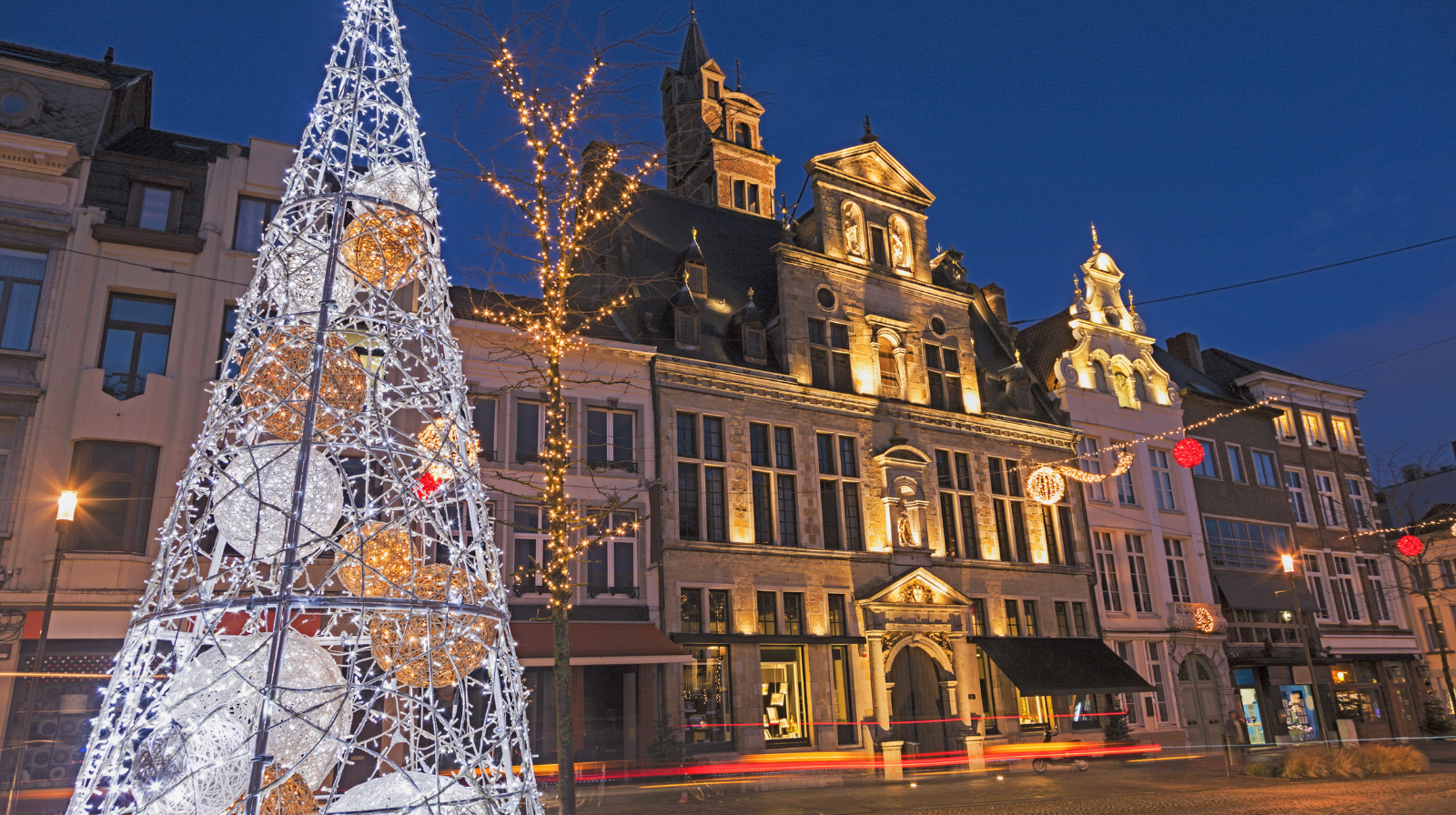
Antwerp, belgium
Antwerp operates under the radar as Belgium's diamond capital and fashion hub, delivering medieval architecture without Brussels' tourist chaos. The city knows what it's doing—guild houses, Gothic cathedrals, Art Nouveau facades, and a train station that looks better than most palaces. Belgian staples (chocolate, waffles, fries, beer) are done right here, and the restaurant scene quietly became one of Europe's most exciting. The Scheldt River gives you waterfront walks with port energy that feels authentic, and locals are straightforward and stylish in equal measure. The Christmas market spreads across the city center with the main setup at the Cathedral of Our Lady, selling Belgian crafts and traditional foods without feeling commercialized. The ice rink is legitimately sized for skating, not just shuffling around, and the giant Ferris wheel provides aerial views of the lit-up city.
Worth it for: Fashion-forward travelers, design lovers, anyone tired of overrun tourist spots.
Where to stay: Botanic Sanctuary Antwerp sits in a former monastery with botanical gardens and a spa worth the splurge. The property balances historic architecture with modern comfort without trying to choose between them.
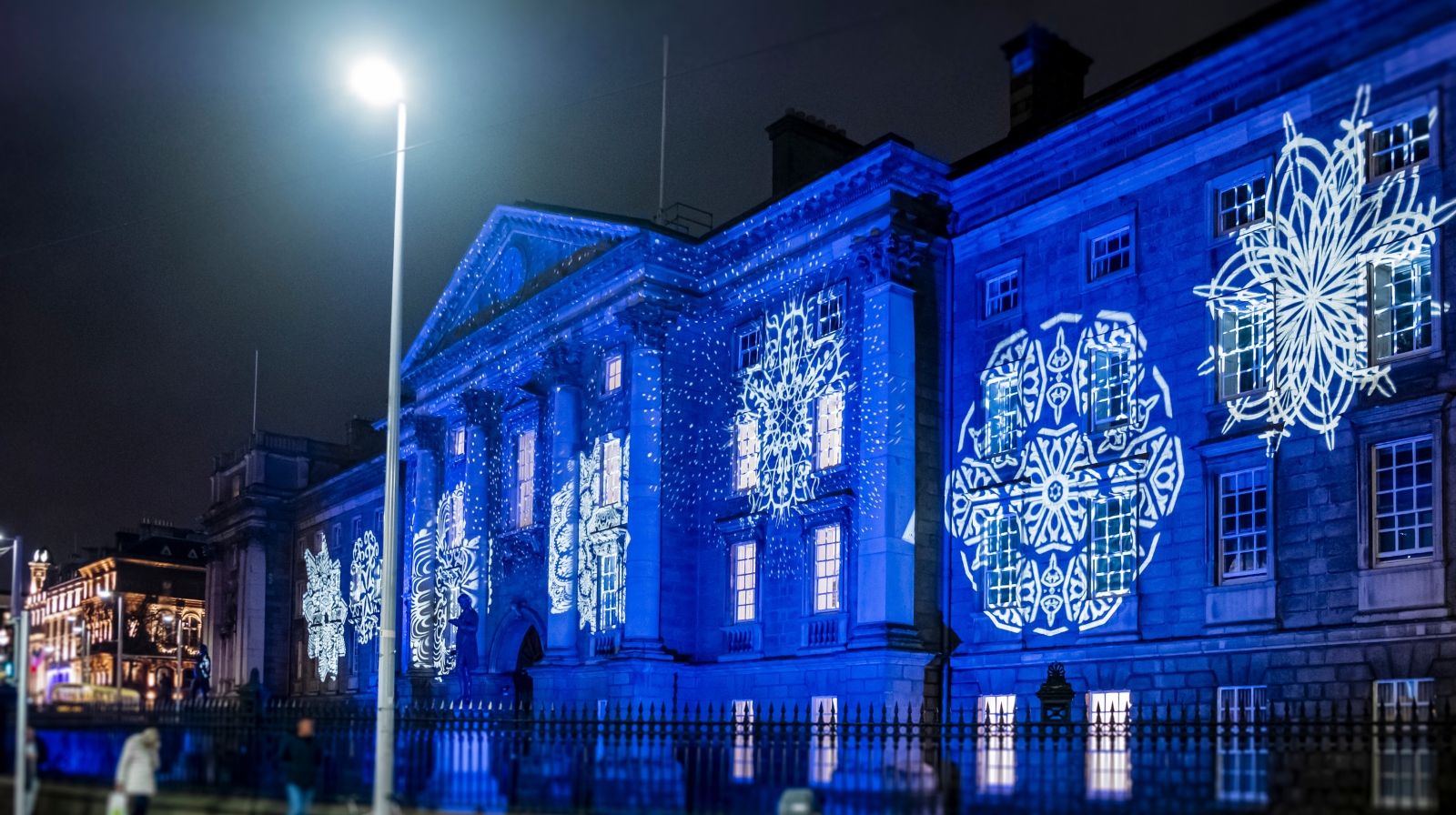
dublin, ireland
Dublin runs on storytelling, music, and a pub culture that's been perfected over centuries. The Georgian architecture gives the city elegance, Temple Bar brings energy (though tourists overrun it), and the Liffey River cuts through the center connecting neighborhoods with distinct personalities. Trinity College houses the Book of Kells, which is worth seeing despite the crowds, and the city's literary history (Joyce, Wilde, Beckett) shows up in museums and walking tours that don't feel forced. The food scene evolved beyond stew and soda bread into something legitimately exciting, and Irish whiskey tastings are done properly here. Dubliners are genuinely friendly—the craic is real, not performed for tourists. Winter brings cozy pub sessions with live traditional music that locals actually attend. Dublin's Christmas markets are smaller than Continental European versions but deliver Irish charm—the main market at St. Stephen's Green and the Docklands Winter Festival feature Irish crafts, local food producers, and mulled cider alongside traditional market fare. Christmas lights on Grafton Street create festive atmosphere, and the city's pub culture means you're never far from a warm fire and proper pint.
Worth it for: Music lovers, literary fans, anyone who values good conversation and genuine hospitality over Christmas market scale.
Where to stay: The College Green Hotel Dublin sits in the heart of the city with modern interiors and a location that puts you steps from Trinity College, Temple Bar, and Grafton Street's Christmas lights. The property delivers comfort without pretension and easy access to everything Dublin does well.
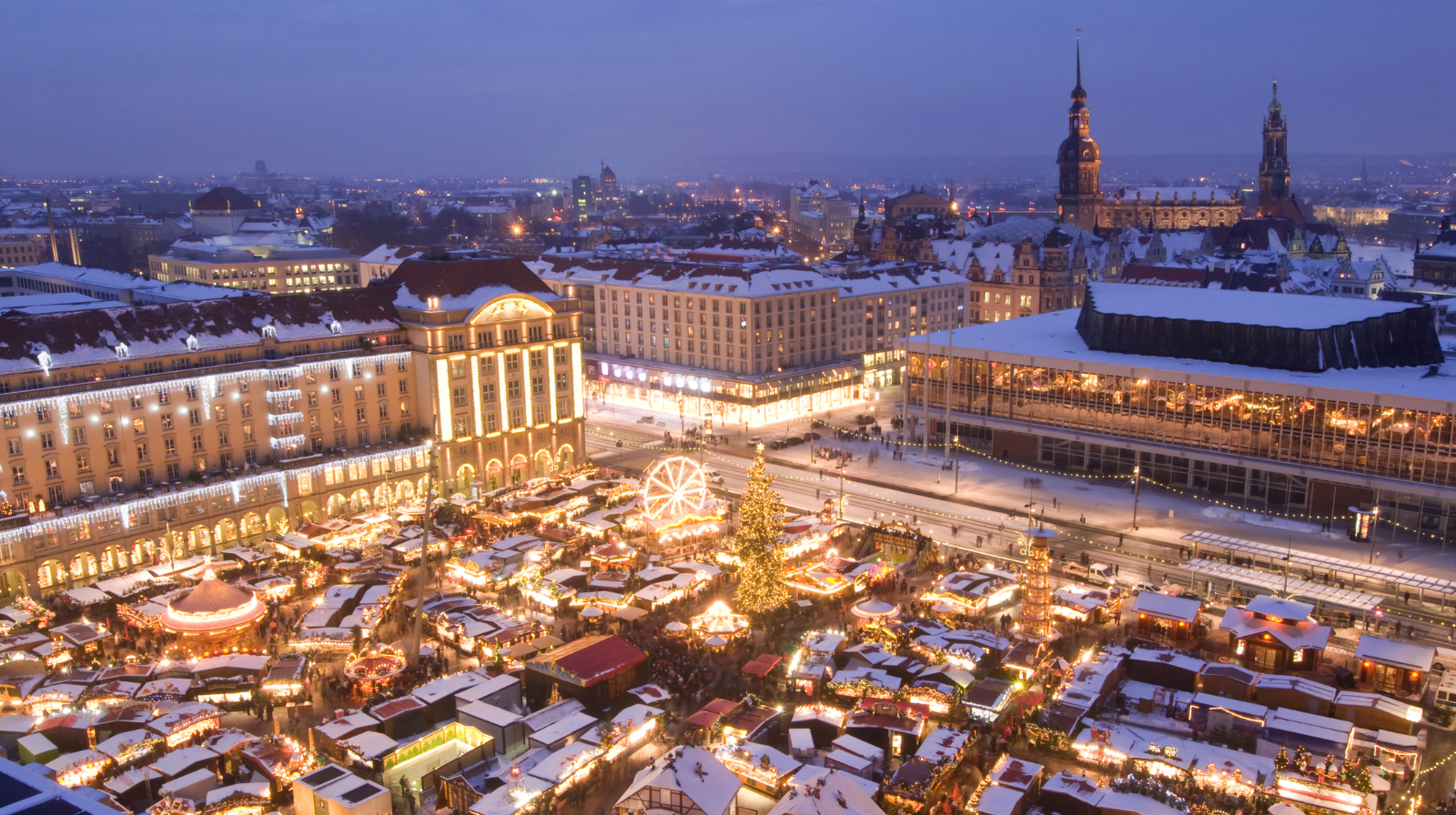
Nuremberg, Germany
Nuremberg is the Christmas market blueprint—the Christkindlesmarkt that's been running since the 16th century and refuses to phone it in. The city rebuilt thoughtfully after WWII destruction, so medieval charm still registers as authentic instead of Disney. Nuremberg Castle overlooks the old town, compact cobblestone streets connect half-timbered houses, and the food scene delivers on bratwurst and lebkuchen (gingerbread that matters). The city's complicated history—Nazi rallies, war crimes trials—adds weight to any visit. The Christkindlesmarkt sets the gold standard with over 180 stalls selling handmade crafts, ornaments, and regional specialties that aren't cheap trinkets. The market opens with a Christkind (golden angel) ceremony locals take seriously, lebkuchen lives up to its fame, and glühwein mugs make better souvenirs than most market goods.
Worth it for: Christmas market purists, history buffs, anyone who wants the authentic German experience.
Where to stay: Karl August is a boutique hotel in a restored historic building with individually designed rooms and a Michelin-starred restaurant. The old town location puts you steps from the Christkindlesmarkt.
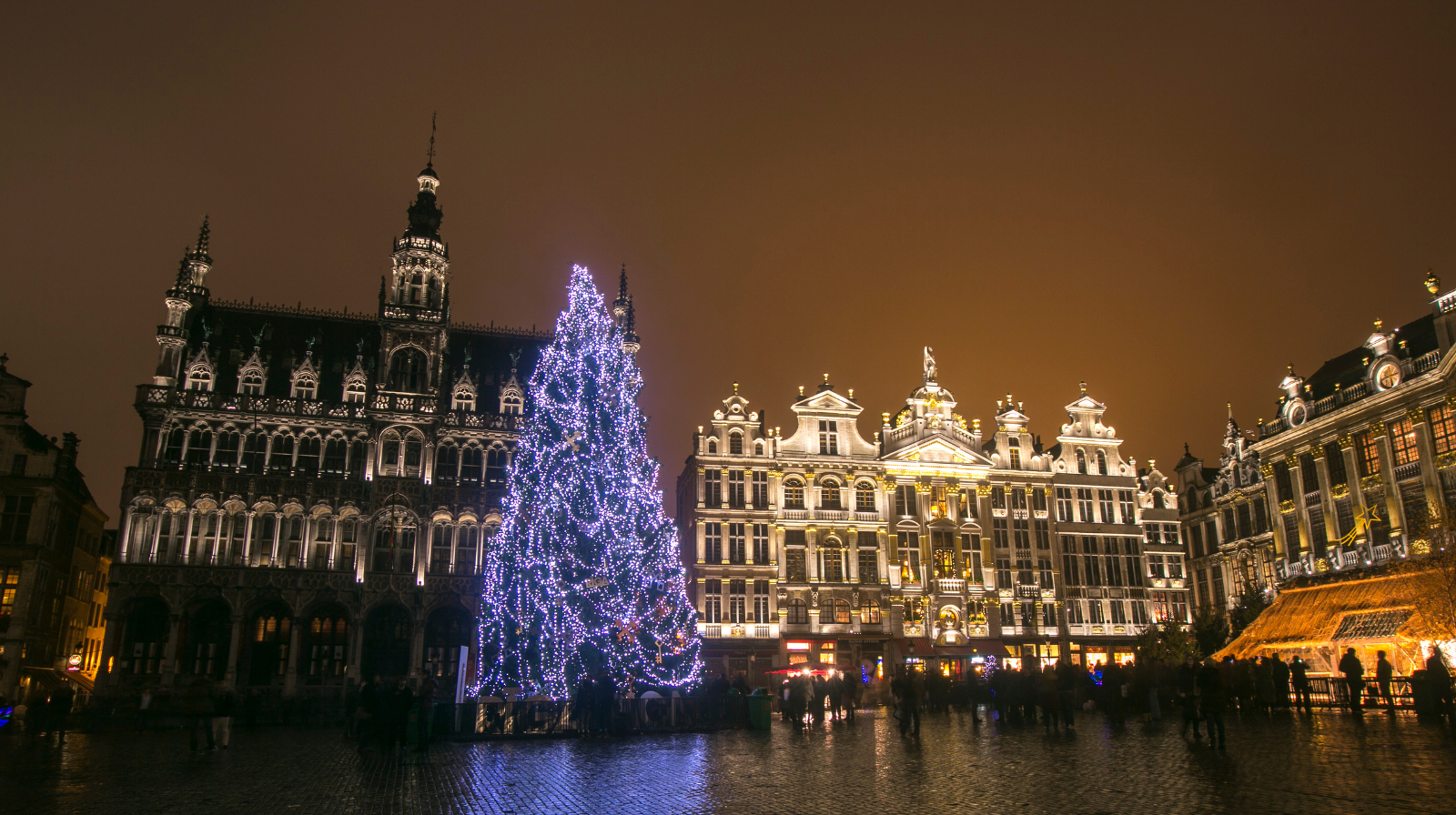
Brussels, Belgium
Brussels gets dismissed as a stopover, which is ridiculous. Art Nouveau architecture, medieval squares, and modern design coexist without clashing, and the Grand Place is legitimately one of Europe's most beautiful squares. The food scene is Belgium's best—chocolate shops everywhere, real waffles (not tourist versions), over 1,000 Belgian beers to choose from. Comic book murals cover buildings (Tintin, Smurfs born here), and the bilingual French-Flemish setup creates interesting split personality instead of frustration. Most major sights land within a 20-minute walk. The Brussels Christmas market (Winter Wonders) sprawls across the city center, connecting multiple squares with stalls, lights, and an ice rink—one of Europe's bigger markets. The Grand Place light show is legitimately impressive, projecting animations onto guild halls and turning the square into winter theater. Belgian waffles, chocolate, and enough mulled wine to keep you warm are guaranteed.
Worth it for: Beer lovers, comic book fans, anyone who wants big-city energy with manageable scale.
Where to stay: The Hoxton Brussels brings the brand's signature style to a former insurance building. Cozy rooms, great lobby bar, and central location near Grand Place without tourist hotel nonsense.
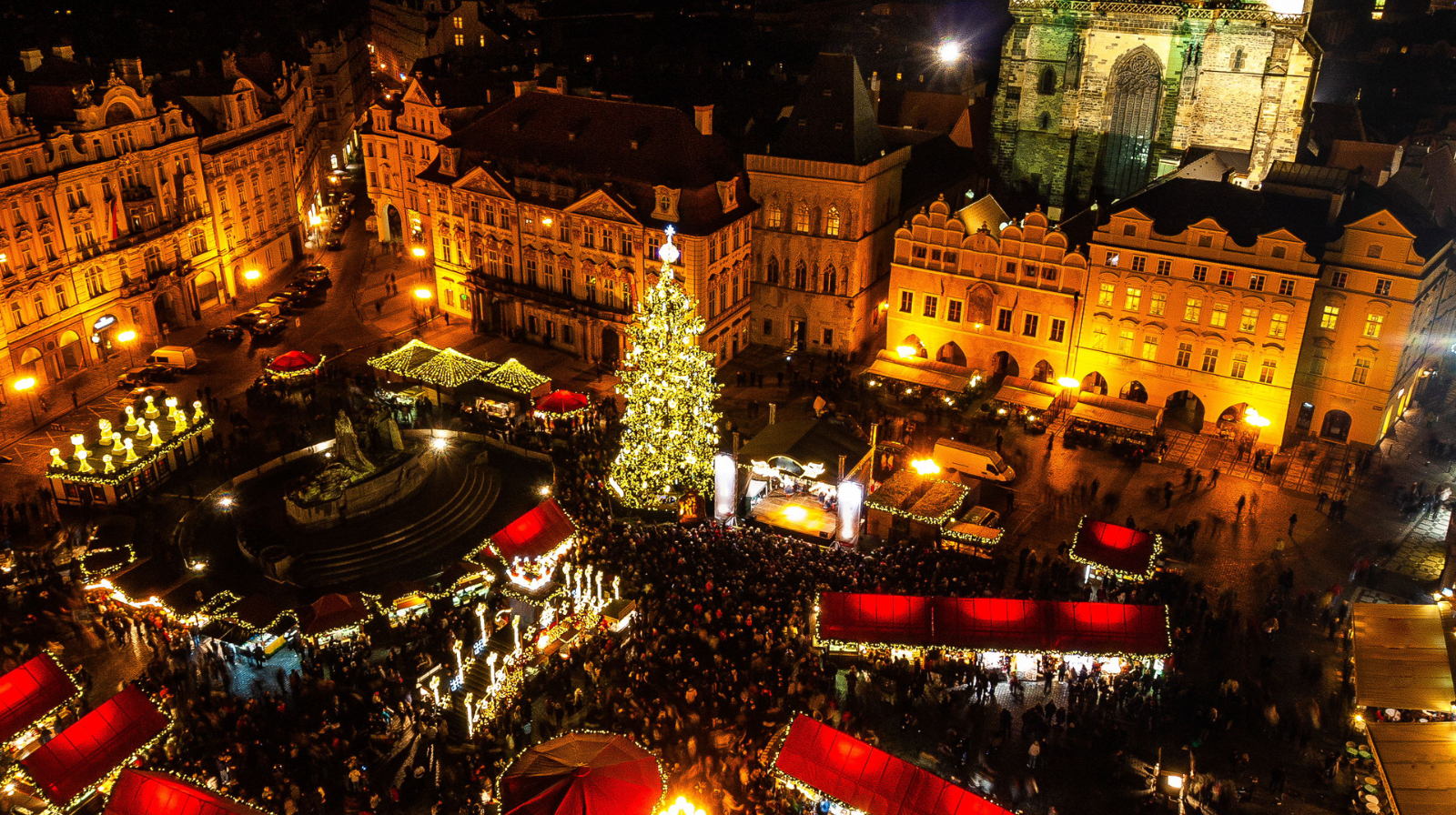
Prague, Czech Republic
Prague's architecture survived the 20th century intact—Gothic spires, Baroque churches, Art Nouveau facades, medieval Old Town that looks pulled from fairy tales but isn't reconstructed. The Vltava River cuts through the city, crossing the Charles Bridge at sunset justifies tourist crowds, and Prague Castle views confirm why this place has been fought over for centuries. Czech beer is legitimately Europe's best, the food scene evolved past dumplings and pork, and the Jewish Quarter holds centuries of history in some of Europe's oldest synagogues. Prague's Christmas markets rank among Europe's most atmospheric, especially Old Town Square where the massive tree and medieval backdrop outdo German markets. Czech crafts and traditional foods (trdelník sweet pastries everywhere) fill stalls, and mulled wine includes local herb and spice variations you won't find elsewhere. The market extends into smaller squares, giving options when the main one feels packed.
Worth it for: Architecture lovers, beer enthusiasts, anyone who wants fairy tale settings that deliver substance.
Where to stay: Almanac X Alcron Prague delivers design-forward luxury in a historic building with Art Deco details intact. The Michelin-starred restaurant backs up the hype, and the Old Town location puts everything within walking distance.
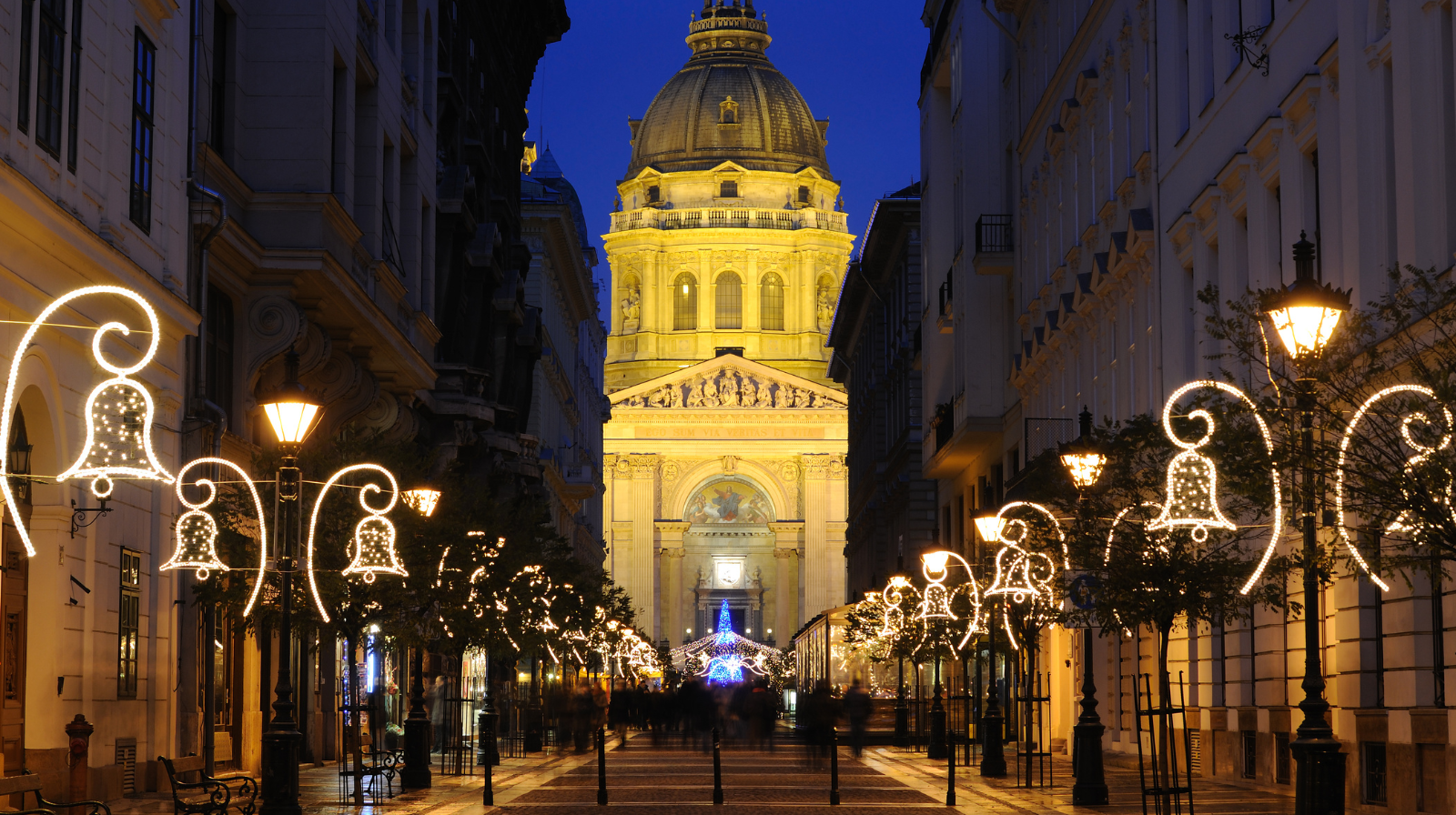
Budapest, Hungary
Budapest splits into Buda and Pest across the Danube—Buda brings hills and castle views, Pest delivers energy and nightlife. Grand architecture (Parliament building, Fisherman's Bastion) combines with thermal baths dating to Roman times and ruin bars that turned abandoned buildings into iconic nightlife. Budapest is cheap by European standards, meaning better value on everything, and soaking in thermal baths while snow falls justifies the trip alone. Christmas markets spread across the city with the main one in Vörösmarty Square, selling Hungarian crafts (embroidery, pottery, woodwork) and traditional foods like kürtőskalács (chimney cake) and lángos (fried bread). St. Stephen's Basilica hosts a light show projected onto the church—one of Europe's most impressive Christmas displays. Budapest's markets feel less touristy than Western European versions, translating to better prices and more authentic goods.
Worth it for: Budget-conscious luxury seekers, thermal bath fans, anyone wanting authentic Central European experience.
Where to stay: Hotel Clark Budapest (Adults Only) sits on the Buda side with Danube views, rooftop bar, and design-forward interiors perfect for couples. Families should consider Dorothea Hotel for spacious rooms, central Pest location, and service that welcomes the whole family.
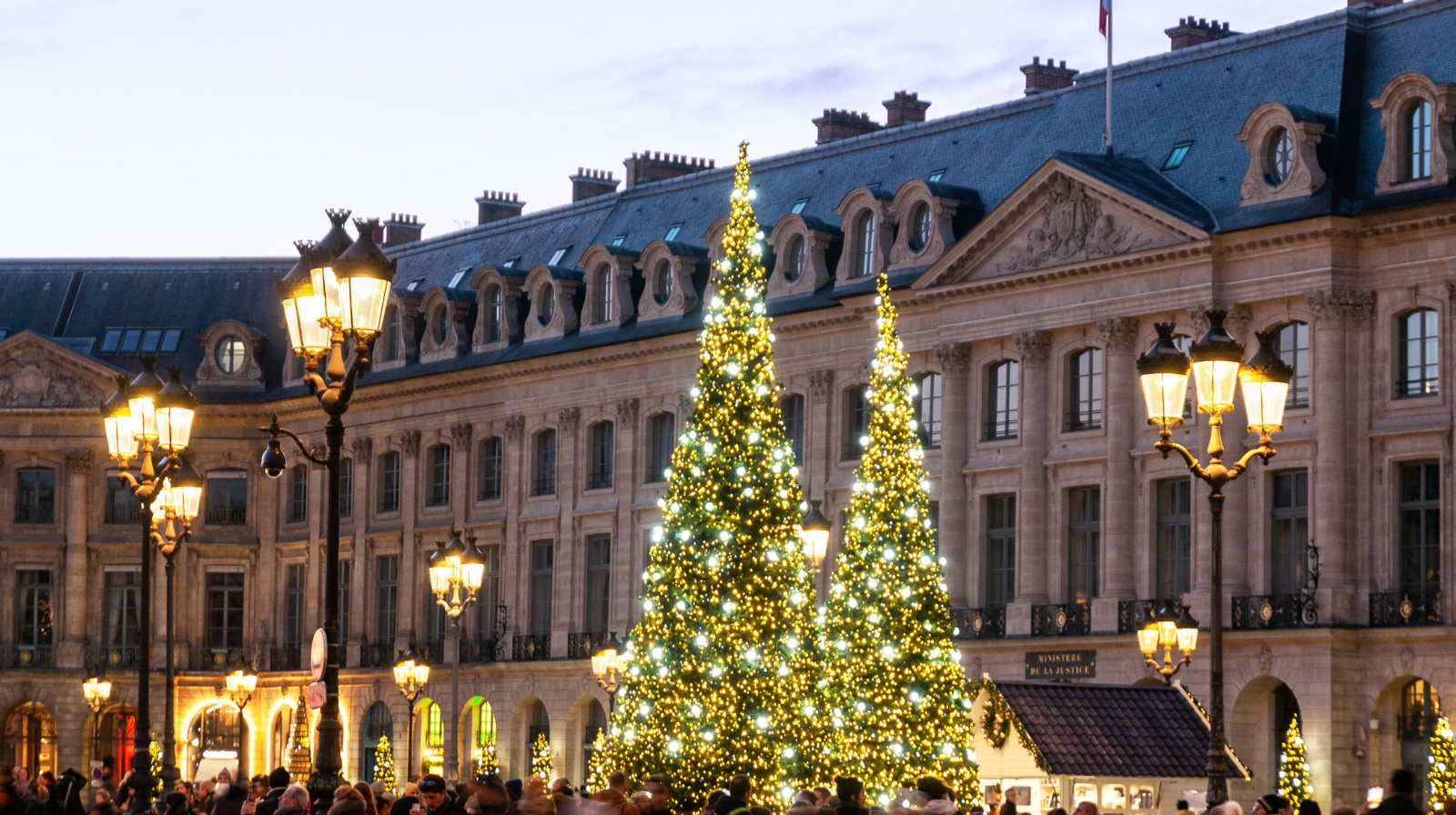
Colmar, France
Colmar looks too perfect to be real—half-timbered houses in candy colors, canals through the old town (nicknamed "Little Venice"), cobblestone streets unchanged for centuries. The town sits in France's wine country, delivering exceptional Riesling and Gewürztraminer, and Alsatian food (tarte flambée, choucroute, foie gras) is done properly. Small enough to walk everywhere, the Unterlinden Museum houses the Isenheim Altarpiece worth seeing, and the town's preservation registers as genuinely historic instead of theme-park fake. Six Christmas markets spread across the old town, each with its own theme, leaning traditional with Alsatian crafts, local food producers, and authentic decorations. Vin chaud flows freely, bredele (traditional cookies) are everywhere, and the town's small scale makes markets feel intimate instead of overwhelming—this is the Christmas market for people prioritizing charm over scale.
Paris works as an alternative if you want city lights and festive events instead of traditional Christmas charm—Champs-Élysées holiday lights, Galeries Lafayette window displays, ice skating rinks across the city, and champagne bars that know what they're doing.
Worth it for: Wine lovers, romantics, anyone seeking storybook charm that's actually real.
Where to stay: In Colmar, L'Esquisse Hotel & Spa is a boutique property with spa, Michelin-starred restaurant, and location just outside the old town keeping you close to markets without tourist chaos. In Paris, Hôtel Providence is an 18-room boutique hotel in the 10th arrondissement with eclectic interiors and neighborhood vibe that feels local instead of tourist central.
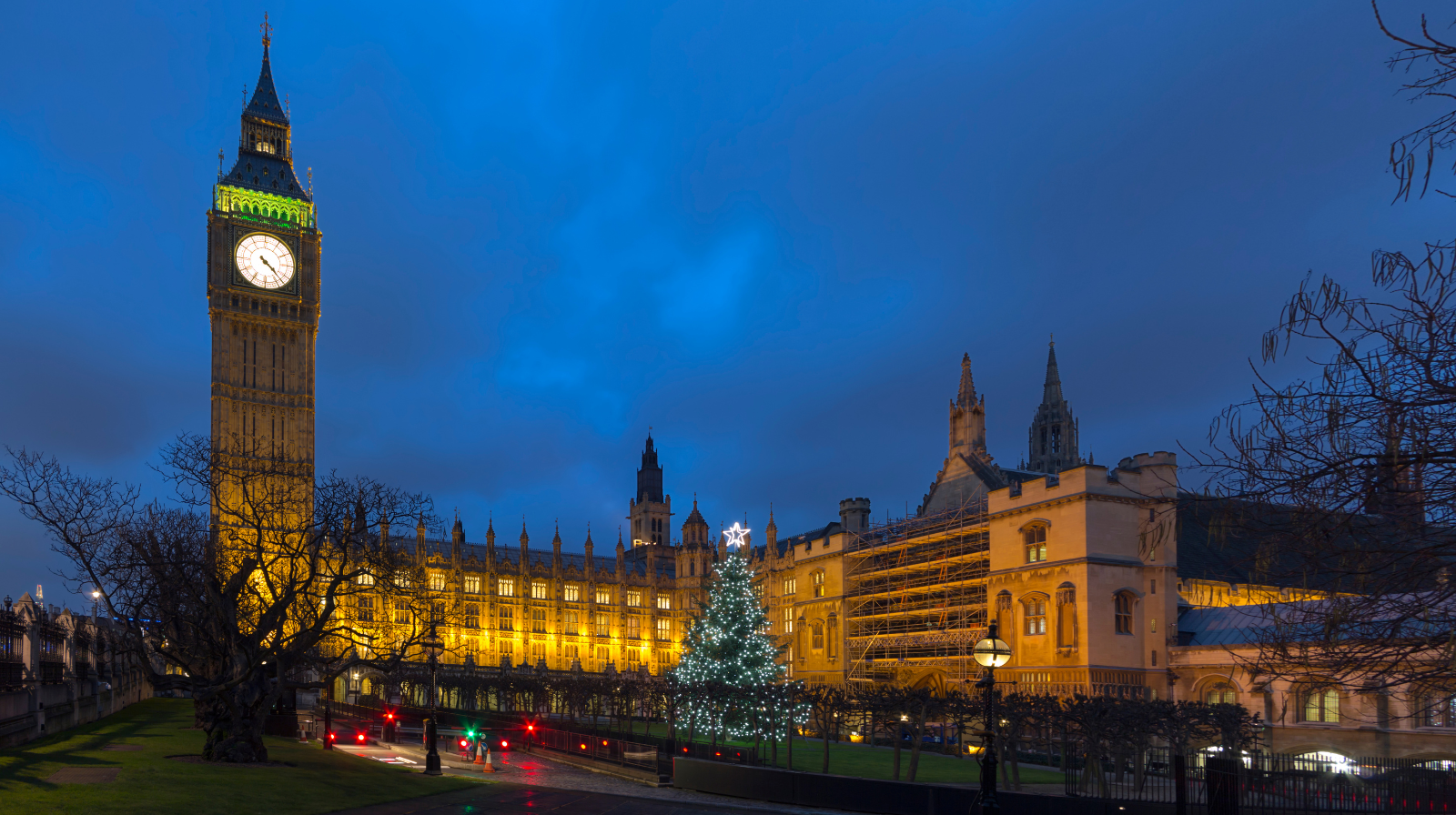
London, United Kingdom
London delivers year-round with world-class museums (most free), theaters running everything from Shakespeare to experimental work, and a food scene that finally gets respect it deserves. Architecture ranges from medieval Tower of London to ultra-modern Shard, each neighborhood carries distinct personality, and the Thames connects most major sights. Parks like Hyde Park provide green space when the city feels overwhelming, retail scene is unmatched in Europe, and the Tube makes navigation easier than most cities this size. Christmas markets scatter across London with the best at Southbank Centre (Winter Market), Hyde Park (Winter Wonderland), and Borough Market—Winter Wonderland is biggest and most commercial, Southbank feels more curated. Borough Market goes full festive in December with mulled wine, roasted chestnuts, and holiday stalls taking over the already excellent food market. Oxford Street and Regent Street lights are iconic, Covent Garden decorations lean elegant over cheesy.
Worth it for: Theater lovers, museum obsessives, anyone wanting big city Christmas without leaving English-speaking comfort.
Where to stay: Broadwick Soho puts you center of everything—West End theaters, shopping, restaurants, nightlife all walkable. Rooftop terrace delivers Soho views, the Italian restaurant on-site is legitimately good, and service feels personalized instead of corporate.
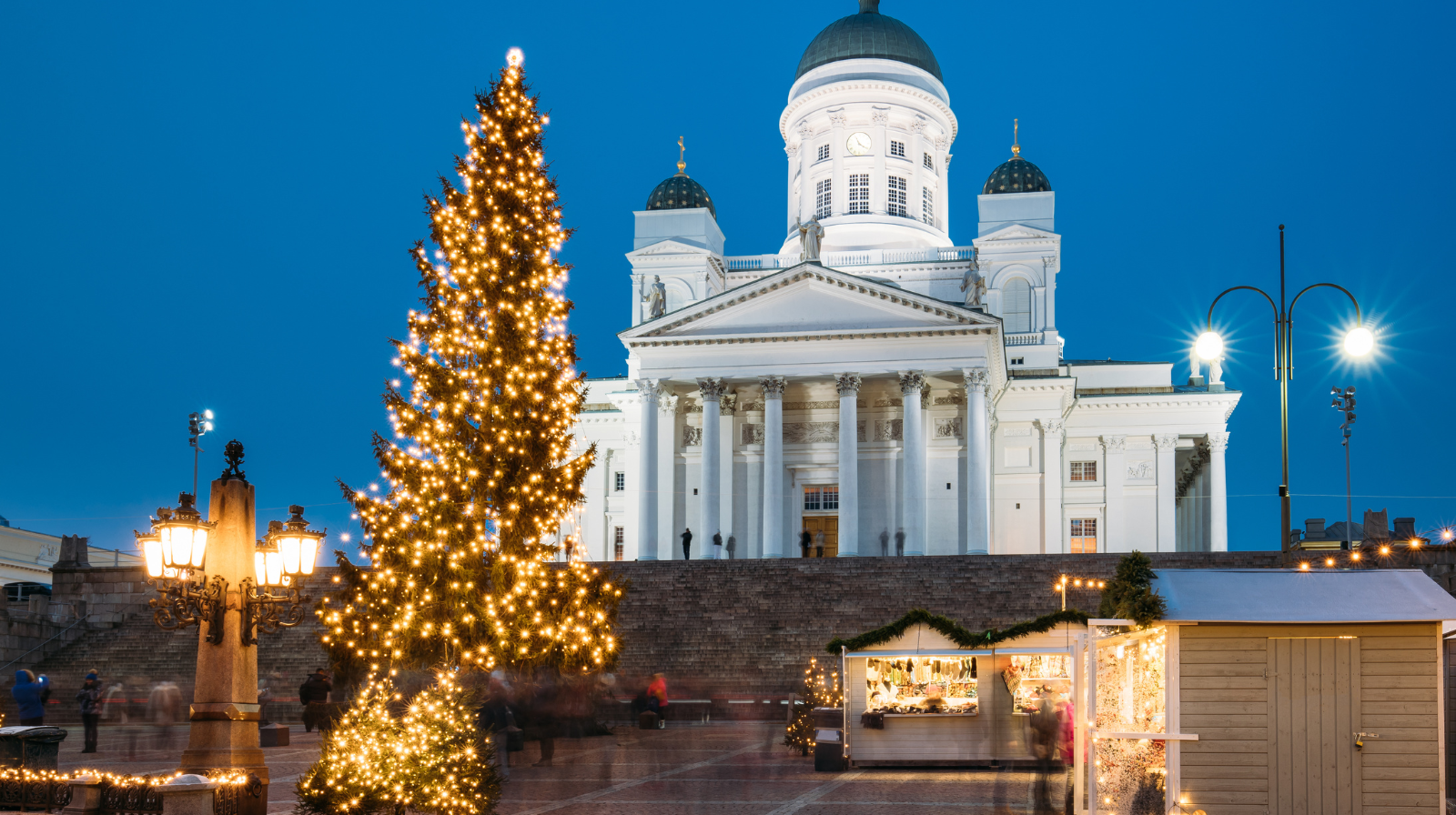
Helsinki, Finland
Helsinki sits on the Baltic Sea with waterfront views, ferry-accessible islands, and Finnish design everywhere—Alvar Aalto's architectural influence is unavoidable while shops sell Marimekko and Iittala. Sauna culture is serious (traditional Finnish sauna followed by icy water dips worth the shock), the city is compact and walkable, and modern restaurants push Nordic cuisine forward. Winter brings only hours of December daylight, but the city leans into it with lights, candles, and coziness making cold feel intentional. Christmas markets are smaller and more low-key than Central European versions—Senate Square's main market has wooden chalets selling Finnish crafts, food, and decorations with glögi (Finnish mulled wine), gingerbread, and reindeer sausages. St. Thomas Christmas Market in Esplanadi Park focuses on handmade goods and traditional Finnish products with less commercial noise. Helsinki's holiday vibe prioritizes hygge over spectacle—candles, cozy cafes, and slower pace contrasting with bigger European market chaos.
Worth it for: Design lovers, sauna enthusiasts, anyone seeking Nordic hygge over Christmas spectacle.
Where to stay: Hotel St. George Helsinki is luxury boutique in an 1840s building with design-forward interior, excellent restaurant, private art collection throughout, and Design District location putting you in the heart of Finnish style.
Ready to celebrate the holidays?
I handle the planning, you get the trip. As an affiliate of Fora Travel, Out There with Jake clients have access to exclusive perks—we're talking room upgrades, hotel credits, complimentary breakfast, spa treatments, and the kind of access that doesn't come with DIY bookings.
Fill out the form below to start planning.